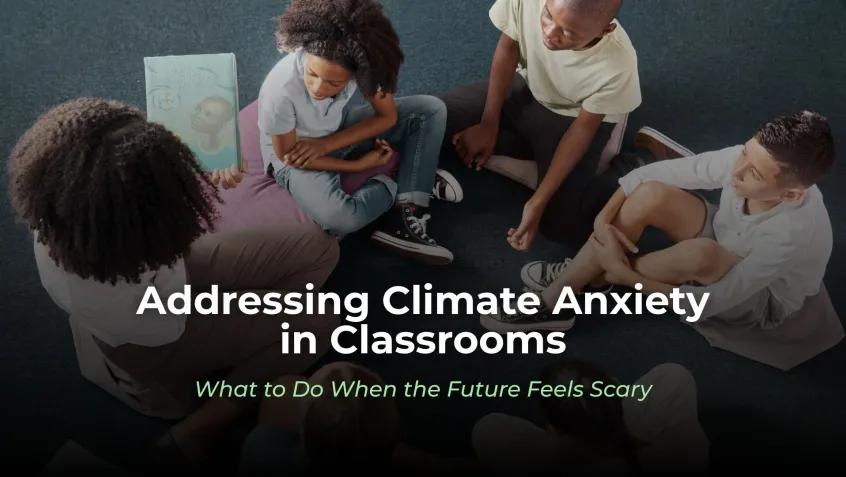
Artificial Intelligence may be dominating the SXSW EDU Conference agenda, but middle school classrooms tell a broader story. Students are not only wondering how the future will work, but how it will feel. From climate change to emerging technologies, many of today’s big topics carry real emotional weight.
Chris Brooks, Environmental Science teacher at Clint Small Middle School in Austin, brings this classroom perspective to the panel Addressing Climate Anxiety in the Classroom: What to Do When the Future Feels Scary, where he will share the stage with speakers from the National Environmental Education Foundation (NEEF), the Climate Mental Health Network, and Subject to Climate.
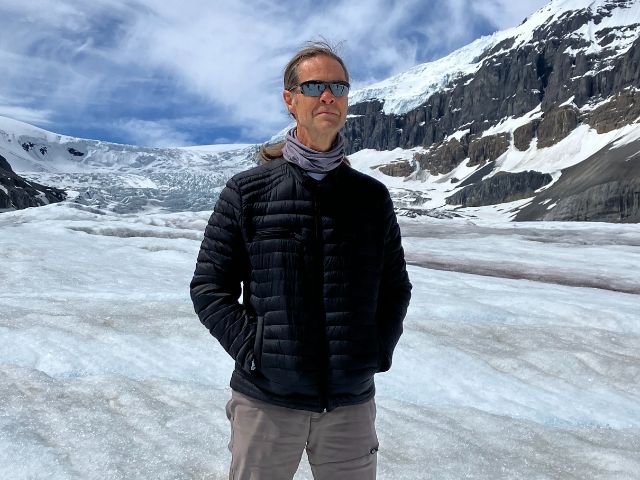
Ahead of the SXSW EDU Conference, we spoke with Brooks about what he’s seeing in his classroom and how educators can support students when big questions feel overwhelming.
SXSW EDU Session
- Panel: Addressing Climate Anxiety in the Classroom: What to Do When the Future Feels Scary
- March 11, 2026, from 9:00 to 9:45 a.m. CT
- Hilton Austin Downtown, Rooms 400–402.
- CPE available: Educators can earn CPE credit through the Association of Texas Professional Educators by attending this session.
Q. What environmental or weather issues come up most in Austin, and how do students experience and talk about them in the classroom?
Heat, drought, and water issues come up most often in Austin. Students are interested when they learn how population growth connects to shrinking or unpredictable rainfall, but that understanding often stays surface-level. Many try to focus on small, concrete actions, like turning off the water while washing their hands, because those feel manageable.
Q. How do you respond in a way that’s honest but helps students feel steady and supported?
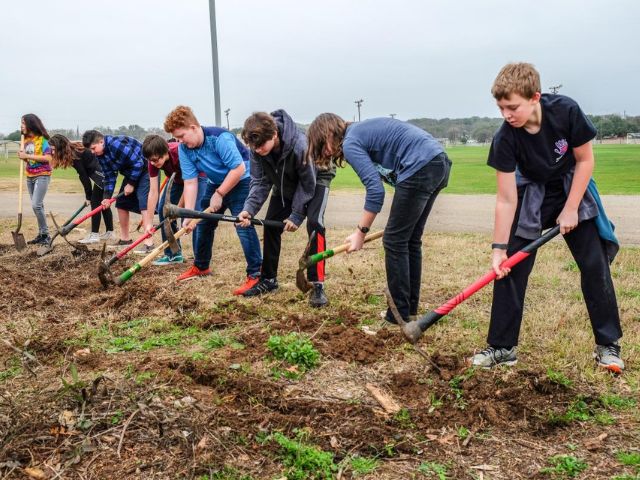
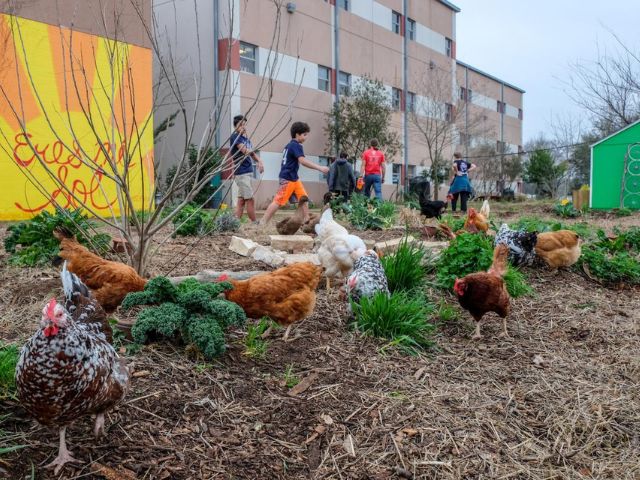
I tell them, “It’s not your fault; there’s nothing wrong with you.” Feeling worry or grief about what’s being lost is a natural response, not a failure or a weakness. I remind them that caring about the Earth shows awareness, not fragility. Support, for my students, often looks very concrete. It means holding a chicken, petting a goat, climbing a tree, or simply being present with another living being that has no expectations of you. We also focus on community service as a way to do something real and tangible, which helps students move out of their heads and feel grounded.
Q. What’s one thing you’ve learned NOT to say or do when students express anxiety about environmental topics?
I’m careful about the language I use and the pressure I don’t apply. I avoid framing the living world as “the environment,” as if it’s something distant or separate from us, and I stay away from clichés like “nature’s wrath” or “man versus nature.” I talk about the Earth as home. I also never require students to share their feelings until they’re ready.
Q. What do you think teachers need to understand about student anxiety around complex or uncertain topics that isn’t covered in standards or curriculum guides?
That standards and data only tell part of the story. Students can smell the threat of a grade a mile away, and that can shut them down. Every student is carrying a different experience that can’t be captured by a rubric or a data point. Real life is messy and complex. Getting students outside, away from screens and metrics, helps ground those conversations in something real. When they experience wonder, they re-engage. At the same time, most of my students report in surveys and discussions that “their room” is their favorite place. They are well-aware that they are self-isolating–and being bombarded by misinformation designed to make them further self-isolate.
[The Climate Emotions Toolkit for Educators] is an excellent resource for introducing difficult topics and providing a framework for students.
Chris Brooks, Environmental Science Teacher, Clint Small Middle School
Q. For educators attending SXSW EDU who feel unsure about having these conversations, what’s one practical takeaway you hope they leave with?
Start by asking students a simple question: “Why is the world so…?” and let them fill in the blank. Most answers come back negative - “messed up”, “evil”, unfair, chaotic, cruel”. I say “beautiful” and wait for the gasps. That’s telling. Many students are steeped in stories that frame the world, and even human nature, as broken or hopeless.
One practical takeaway is this. You can’t just take away a story that makes students feel bad. You have to offer space for a different one to emerge. Give students room to notice beauty, curiosity, and connection, and let them put their own words to it.
A recent study showed that since 1850 we have lost 60% of the words used to speak of nature. Many students don’t yet have the language to tell a hopeful story about the world, so reading, discussion, and time outside can help them begin. A good place to start is by sharing stories from authors like Janine Benyus, David Abram, and Jane Goodall, for example. The goal isn’t to ignore hard realities. It’s to help students fall back in love with the world they’re being asked to care about.
Q. Finally, what stands out to you about the Climate Emotions Toolkit for Educators?
It is an excellent resource for introducing difficult topics and providing a framework for students. I see it as complementary to open-ended one-to-one and small-group discussion.
Learn more about NEEF's Climate Emotions Toolkit for Educators and how you can implement it into your classroom.