
You already care about the mission. The question is how to make your dollars go as far as possible, for the organization and for you. Whether you're a lifelong donor, a first-timer, or someone just starting to think about year-end giving, there are more ways to give than most people realize, and some of them come with real financial benefits.
Here's a look at five approaches worth knowing.
Start with your spare change
This is the easiest way to give, and it costs you almost nothing. Round-up giving lets you turn everyday purchases into ongoing support for the causes you care about. Platforms like RoundUp.org let you link a credit or debit card, and each purchase gets rounded up to the nearest dollar. Once a month, the accumulated cents go directly to the nonprofit you've chosen. Most donors end up giving between $25 and $35 a month without ever thinking about it. Small, but consistent, and consistency is what nonprofits count on.
Visit NEEF's Roundup page and start rounding up.
Give from a Donor-Advised Fund
A Donor-Advised Fund (DAF) is one of the most flexible charitable giving tools available, and if you already have one, using it couldn't be simpler. You make a contribution to the account, receive an immediate tax deduction, and then recommend grants to the organizations of your choice over time. The money can sit and grow until you're ready to direct it.
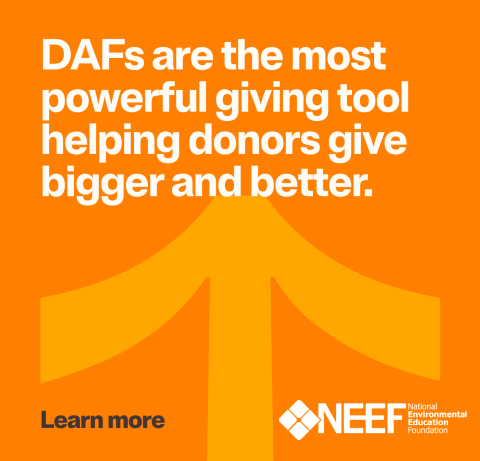
DAFs have grown significantly in recent years. They now make up 17% of annual giving in the United States, and the average individual gift from a DAF is nearly $5,000. If you have a DAF at Fidelity, Vanguard, Schwab, or another institution, you can recommend a grant to any eligible 501(c)(3) at any time. Just log in and direct it.
To send a DAF grant to NEEF, select the DAF option on our giving campaign, or contact your fund administrator directly.
Donate appreciated stock
If you own stock that has gone up in value, selling it means paying capital gains tax before the remainder reaches a charity. Donating it directly skips that step. When you donate stock directly, neither you nor the charity pays capital gains tax on the appreciation. The charity receives the full value, and you may claim a deduction for that full fair-market value, provided you've held the shares for more than a year and you itemize deductions. The deduction for stock donations is generally limited to 30% of your adjusted gross income, so if you're planning a significant gift, it's worth talking with a tax professional first.
NEEF accepts stock donations through Pledge, which has partnered with Donate Stock to make the process simple and secure, no brokerage account required on our end. When you select the stock option at checkout, DonateStock handles the transfer, liquidates the shares, and sends the proceeds directly to NEEF.
Give crypto
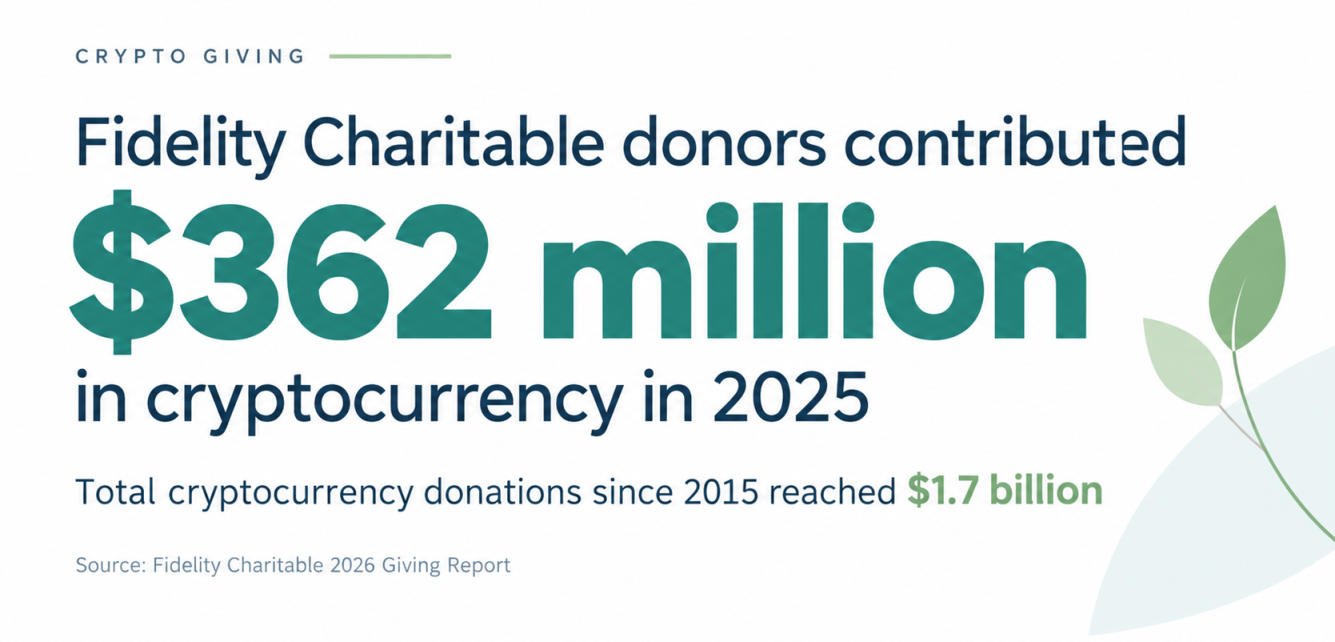
Cryptocurrency works similarly to stock from a tax standpoint. Donating cryptocurrency directly to a qualified charity means you may avoid capital gains tax entirely, since nonprofit organizations are not taxed by the federal government. You can also claim a charitable deduction for the full fair-market value of the donated asset. The IRS treats crypto as property, so most of the standard property donation rules apply, including documentation requirements and, for larger gifts, Form 8283.
The key is donating the asset directly rather than selling it first and giving the cash. NEEF accepts crypto through Pledge.
Make a tax-free IRA distribution
This option is specifically for donors who are 70½ or older. A Qualified Charitable Distribution (QCD) is a direct transfer of money from your IRA to a qualified charity. The 2026 annual limit is $111,000 per individual, or $222,000 for married couples filing jointly, each with their own IRA. The distribution is excluded from your taxable income, which means you get the tax benefit even if you don't itemize, making it especially valuable for retirees who take the standard deduction.
The funds must go directly from your IRA custodian to the charity. Distributing the funds to yourself first and then writing a check does not qualify. Contact your IRA administrator to arrange the transfer, and let NEEF know it's coming by emailing info@neefusa.org.
A note on 2026 tax law changes
Tax rules affecting charitable deductions changed starting this year. Itemizers can now only deduct charitable contributions to the extent they exceed 0.5% of adjusted gross income, and the tax benefit for high earners is capped at 35%. This doesn't eliminate the value of non-cash gifts, but it does make strategies like QCDs and direct stock or crypto donations even more compelling, since those benefits don't depend on itemizing. As always, consult your tax advisor for guidance specific to your situation.
There is also a new benefit for people who don't itemize: beginning in 2026, eligible taxpayers can deduct up to $1,000 in qualifying cash donations, or up to $2,000 for married couples filing jointly. The deduction applies to qualifying cash gifts to eligible charities, but not to gifts to donor-advised funds or noncash donations such as stock.
Sources: IRS guidance on charitable contributions; Fidelity Charitable on the 2026 changes.
Disclaimer: NEEF does not provide tax, legal, or financial advice. Tax rules and individual circumstances vary, so please consult your tax or financial advisor before making decisions about charitable giving.