Tips from award-winning environmental educator Kim Alvin De Lara
Meet Kim Alvin De Lara, a STEM educator at Hartford Sylvia Encinas Elementary School in Arizona and a recipient of the 2026 Presidential Innovation Award for Environmental Educators (PIAEE). His students take on hands-on projects that connect science, engineering, and environmental problem-solving, from exploring ways to remove lead from water to designing animal prostheses.
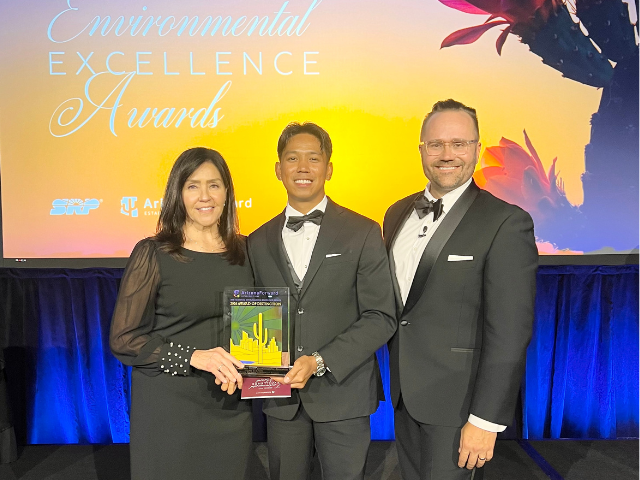
We invited De Lara to share his best tips for making environmental learning more hands-on, engaging, and relevant for students:
Use project-based learning or the Engineering Design Process
I like using project-based learning (PBL) and the Engineering Design Process (EDP) in environmental education because students are not just learning about an environmental issue. They are working through a process to create something and solve a problem.
One project we did was designing prostheses for animals. Students used the EDP to brainstorm, design, test, and improve their ideas. They presented their work during our STEM Showcase, and it was a big hit because it was unique and meaningful.
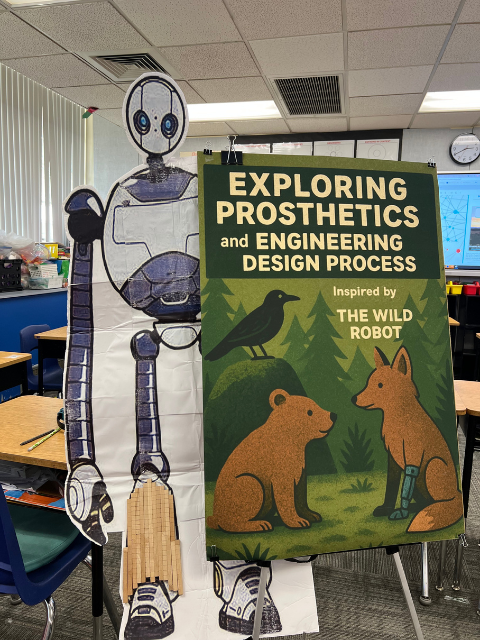
The trial-and-error process made the learning more authentic and helped students understand that their first idea does not always have to be their final idea. The project also helped students develop confidence and empathy for wildlife while seeing how engineering and environmental education can work together.
- Explore the lesson: Exploring Prosthetics, Engineering Design Process and AI Inspired by "The Wild Robot"
- See the project: From the Classroom to the Lab: A Q&A with STEM Educator Kim Alvin De Lara
Invite scientists and professionals into your classroom
Every other week, we try to connect with scientists, engineers, and other professionals through online or in-person opportunities. I have invited speakers for live Zoom calls with my students, but it doesn't have to be out of reach or complicated. Teachers can also invite people from their own communities.
One of the coolest experiences was in July 2026, when my students connected live with a scientist in the Mariana Islands through E/V Nautilus and Ocean Exploration Trust. They were able to ask questions while watching real-time deep-sea exploration.
This was especially exciting because we had just returned to school, and the students immediately had a connection to real scientists and real-world exploration.
Even inviting a parent, volunteer, scientist, or community member to talk about the environment can make a difference. These are experiences students will remember and that can spark their curiosity.
- Connect your class: Ship-to-Shore Interactions | Nautilus Live
Bring what you learn from professional development back into your classroom
I believe professional development is most valuable when you can bring what you learn directly back to your students.
One program I especially enjoyed was the 2025–2026 Clean Energy Fellows EMBER Cohort. Through the program, I created a lesson exploring how drought affects forests by causing dry soil, stressed or dying plants, and major changes in ecosystems.
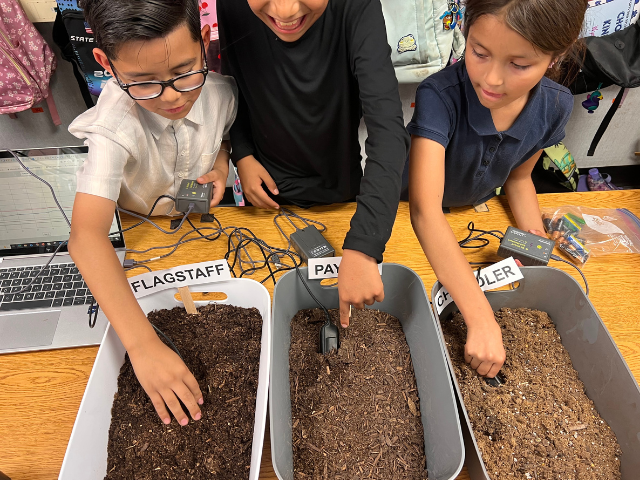
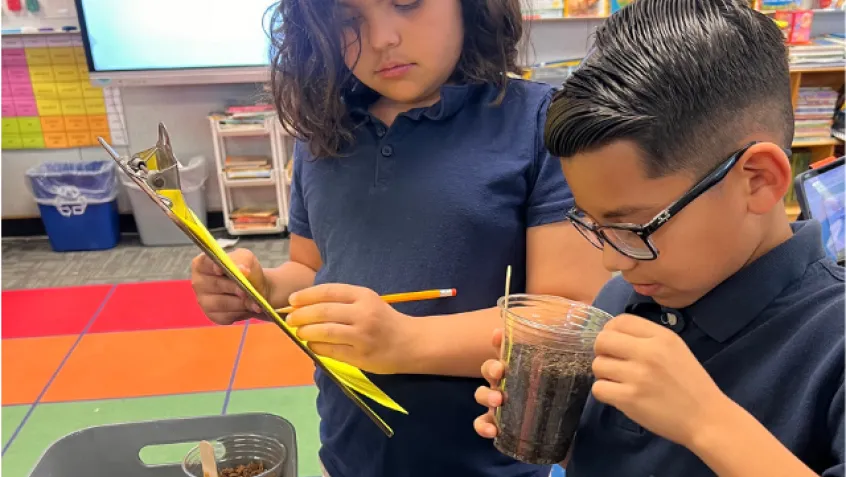
My students enjoyed using data tools and collecting science data. It showed me that professional development can give teachers new ideas, tools, and experiences that can become meaningful classroom lessons.
- Download the lesson: When Forests Dry Out: Understanding Drought and Its Impact
- Learn about the program: Clean Energy Fellows EMBER Cohort
Give students an opportunity to share their projects with an authentic audience
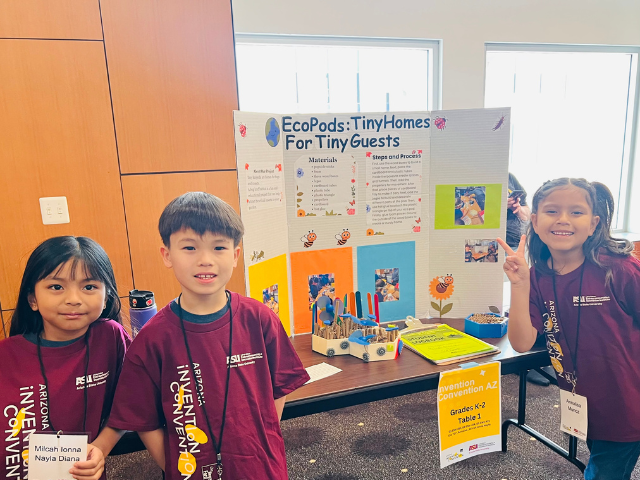
I encourage teachers to take environmental education projects beyond just completing the activity. Let students make a poster, present their ideas, answer questions, or share their projects with other students, parents, or the community.
"Teachers do not have to do everything alone. Even inviting a parent, volunteer, scientist, or community member to talk about the environment can make a difference
It does not always have to be a competition. You can invite parents or community members into your classroom to see what students created. This gives students a more complete learning experience because they are not only making something, they are learning how to communicate their ideas.
My students have participated in competitions as well. One of my teams became a state champion in the Presidential AI Challenge, where students proposed a cafeteria robot that could help sort waste.
- See the competition: Presidential AI Challenge Winners
If you're just getting started, start with connection
Of all four tips, I would say connection with the community is the most important. Learning becomes more meaningful when lessons are connected to students' lives and communities. Teachers do not have to do everything alone. Even inviting a parent, volunteer, scientist, or community member to talk about the environment can make a difference.
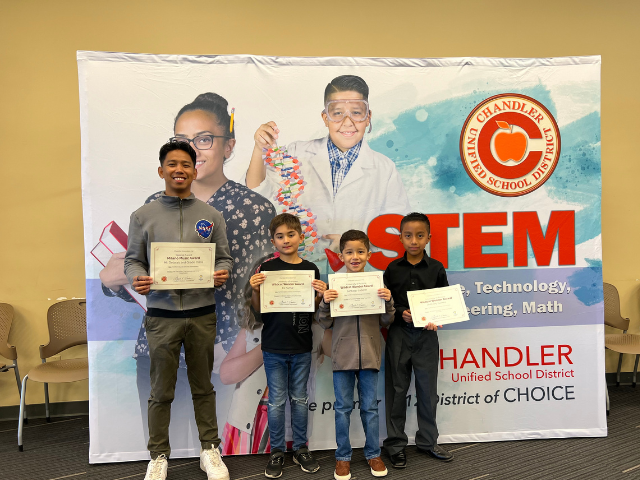
I also encourage teachers to connect with nearby high schools, especially if they are teaching elementary or middle school. University students can also be great partners. Older students can serve as mentors and help younger students with projects.
There are people around us who can help bring environmental education to life.
Work with what you have
We started by using resources that were already available to us, including empty toilet paper rolls, popsicle sticks, and other materials we could find in the classroom or locally.
It does not need to be extravagant or require teachers to buy a lot of supplies. The real intention is for students to learn about wildlife protection, problem-solving, and empathy.
Community involvement and family participation can help, too. Parents and community members can share their knowledge, experiences, or time.
I have also found NEEF very helpful when looking for funding and grants. The newsletters regularly share grant and funding opportunities, which has been a great resource for classroom projects.
What I hope students take away
I hope students bring out the best in themselves, share their ideas, and become voices for environmental protection and conservation.
I believe curiosity can start at a very young age. When students have opportunities to explore, ask questions, work with others, and see real environmental issues around them, they can develop a lasting love for environmental education.
My hope is that they will not just learn about the environment in the classroom, but also feel that they have a role in protecting it.