Do you or a loved one struggle with asthma? If so, mark your calendar for the third week of September, when "Asthma Peak Week" hits the United States.
This time of year brings a spike in pediatric hospital stays related to asthma attacks due to an uptick in allergy and asthma triggers, including:
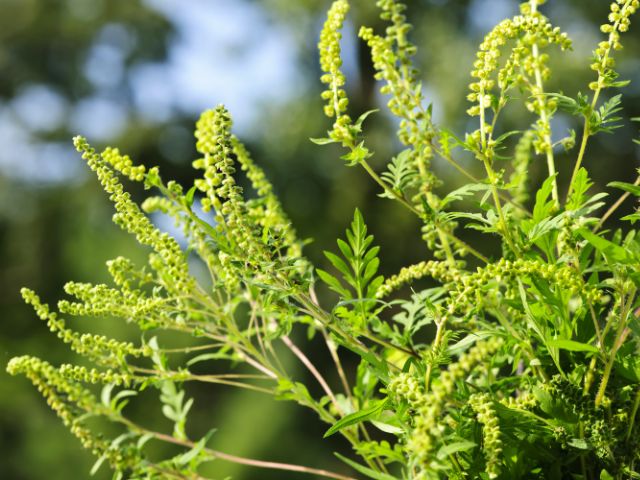
- Ragweed pollen, which blooms in August across the US and sticks around until the first frost.
- Respiratory infections, including the common cold, flu, COVID-19, and RSV, which can trigger asthma attacks and may be more serious for people with asthma.
- Indoor allergens, including mold and dust mites.
- Air pollutants, including secondhand smoke and exhaust from idling school buses or cars in garages.
- Weather changes and other environmental conditions that can worsen asthma symptoms.
Stress and anxiety during the back-to-school season and the return to a busier fall work schedule.
Knowing and avoiding individual triggers is an important part of keeping asthma under control.
“As the seasons change, the week with the most asthma cases in September is both a struggle and an opportunity. As we deal with the rise in lung problems every year, we must remember that we can take charge,” said Anand Gourishankar, MD, a pediatrician at Children’s National Hospital, public health researcher, and NEEF Asthma Faculty Champion. “By being aware of triggers, taking medications as recommended, and prioritizing regular doctor's appointments, we give ourselves the tools to deal with asthma's unpredictable patterns.”
Is Your Asthma Under Control?
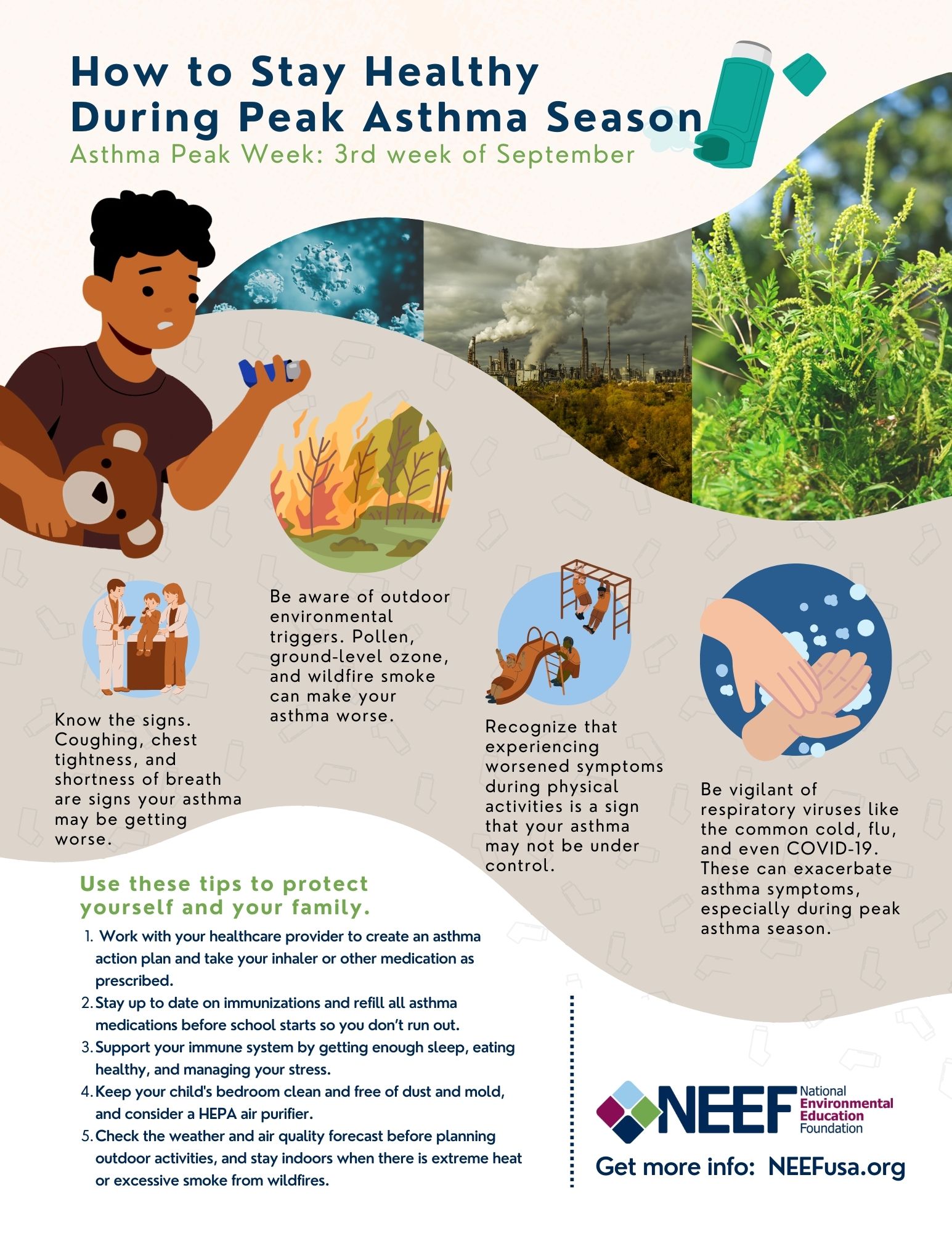
As Asthma Peak Week approaches once again, take stock of your symptoms. Unsure if your asthma is under control? Dr. Gourishankar said these are some signs that your asthma may be getting worse:
- You have frequent asthma symptoms, such as coughing, wheezing, chest tightness, or shortness of breath.
- You have to miss work or school because of your asthma.
- Your asthma symptoms get worse during exercise or physical activity.
People who stop taking their controller inhaler during the summer months can especially be at risk of a flare-up in the fall when their lungs are exposed to more allergens again and become inflamed.
Understanding Asthma Risk Factors
The effects of Asthma Peak Week are felt differently depending on where you live. Factors like climate change have led to increased levels of outdoor environmental asthma triggers such as pollen, ground-level ozone, and wildfire smoke. However, it’s also important to be aware of various indoor environmental triggers that can worsen asthma symptoms, including mold, pests, pet dander, and nitrogen dioxide from gas-burning appliances like stoves or fireplaces.
The Asthma and Allergy Foundation of America's Asthma Capitals report ranks 100 metropolitan areas based on estimated asthma prevalence, asthma-related emergency department visits, and asthma-related deaths. Its five most challenging places to live with asthma in 2026 are:
- Allentown, Pennsylvania
- Detroit, Michigan
- Rochester, New York
- Philadelphia, Pennsylvania
- Cleveland, Ohio
Specific risk factors for asthma include:
- Age: Asthma affects people of all ages. The latest CDC estimates show that 6.5% of U.S. children under age 18 and 8.6% of adults had current asthma in 2024. Among people who already had asthma, however, CDC’s latest detailed data found that children were somewhat more likely than adults to have experienced an asthma attack during the previous year.
- Race or ethnicity: CDC data show significant differences in asthma prevalence and outcomes among racial and ethnic groups. In 2023, current asthma prevalence was 11.5% among non-Hispanic Black people, compared with 8.6% among non-Hispanic White people and 7.0% among Hispanic people. Environmental exposures, access to healthcare, housing conditions, and other factors can all contribute to differences in asthma outcomes.
- Gender: Asthma is more common among adult women than adult men. In 2023, 11.0% of adult women had current asthma compared with 6.8% of adult men. Among children, the pattern was reversed, with asthma reported in 7.6% of boys and 5.7% of girls.
- Existing medical conditions: Obesity, allergies, heart disease, and other chronic medical conditions raise the risk of having an asthma attack.
“This convergence of factors highlights the urgent need for personalized treatments and proactive efforts to lessen Peak Week's impact on those most at risk while pushing for cleaner air and equal healthcare access for all,” said Dr. Gourishankar.
Asthma + Bullying = A Bad Combination
Stress and anxiety can also be asthma triggers, especially for students who experience bullying. Recent research found that children who are bullied have a significantly greater probability of also having asthma because asthmatic symptoms like coughing can’t be kept hidden. Another study found that children with asthma that is relatively well controlled are less likely to be bullied or teased.

“Kids with asthma are more likely to be picked on by other kids. This is because having asthma can make a child feel different from their friends and be embarrassing. Kids might be called names, made fun of, or left out of activities when bullied,” said Dr. Gourishankar.
As kids get older, research shows that adolescents often stop adhering to their asthma treatment plan due to stigma around using their inhaler in front of their peers and other factors.
NEEF and Hip Hop Public Health created EMPOWER to help make asthma management more approachable and relatable for young people. The free multimedia collection includes eight original songs and animated videos covering key parts of asthma self-management, including understanding environmental triggers, using medication correctly, having an asthma action plan, communicating openly about asthma, supporting well-being, avoiding cigarettes and e-cigarettes, and building resilience.
The complete EMPOWER collection is available free through Hip Hop Public Health’s Learning Studio, and offers downloadable EMPOWER materials that educators, healthcare providers, and families can share with young people.
Skipping asthma treatments can lead to an increase in symptoms and an overall reduced quality of life. Adolescents with asthma also have an increased risk of experiencing social anxiety.
This adds another layer of danger during Asthma Peak Week. Not all children who are bullied ask for help. As students head back to school, parents should keep an eye out for signs of bullying, such as a sudden reluctance or fear of going to school, faking illness, and difficulty sleeping. If you think your child is being bullied, start a conversation with them about it and make a plan to address it.
“Bullying is never okay. If other kids are picking on your child, you should get help. If you work together, you can help your child deal with bullying and have a good time at school,” Dr. Gourishankar said. “You can also talk about the bullying with the school. The school should have a plan for dealing with bullying and be able to do something to stop it.”
How to Prevent Asthma Attacks This Fall
With asthma emergencies beginning to increase in the fall, now is a good time to review medications, triggers, and your asthma action plan. CDC recommends that everyone with asthma have an individualized Asthma Action Plan developed with their healthcare provider.
Take these steps to avoid asthma attacks before they begin:
- Work with your healthcare provider to create an asthma action plan and take your inhaler or other medication as prescribed.
- Avoid getting sick by washing your hands often, avoiding touching your eyes, mouth, and nose, and staying away from people who are sick.
- Stay up to date on immunizations and refill all asthma medications prior to school starting so you don’t accidentally run out.
- Build your immune system by getting enough sleep, eating healthy, staying hydrated, and keeping your stress levels down.
For families, Dr. Gourishankar recommends following the old advice that “prevention is better than cure.” Parents of children with asthma should make some additional proactive actions, including:
- Keep your child's bedroom clean and free of dust and mold and use a HEPA air purifier.
- Wash your child's bedding weekly in hot water. Discourage children from jumping onto the bed after participating in school or outdoor activities that can shed pollen.
- Avoid smoking around your child.
- Check the weather and air quality forecast before planning outdoor activities and stay indoors when there is extreme heat or smoke from wildfires.
Resources for Healthcare Providers to Help Manage Pediatric Asthma
For over a decade, NEEF has offered free asthma resources and training for healthcare providers and school nurses, reaching more than 20,000 professionals through online courses and in-person learning sessions led by experienced pediatric physicians. Resources include:
- Updated Guidelines: NEEF’s Environmental Management of Pediatric Asthma: Guidelines for Health Care Providers includes new guidance on wildfire smoke, extreme heat, allergen management, environmental histories, and counseling families.
- Breathing Easier Webinar: This 2026 webinar features NEEF Asthma Faculty Champions, including Dr. Gourishankar, discussing what’s new in the guidelines and how to identify and manage environmental asthma triggers.
- eLearning program: NEEF’s free online course helps pediatric healthcare providers and clinicians work with patients and families to better manage environmental asthma triggers.
“As September approaches with its challenges, let us use this time to recommit ourselves to our health and give our bodies the care they demand,” said Dr. Gourishankar.
Originally published: September 2023 • Updated