At a Glance
- Pollinators support one-third of the world's food supply, but habitat loss is driving steep population declines across the US.
- Three NEEF-funded projects in New York, Idaho, and Kentucky restored thousands of acres of habitat through planting, invasive species removal, and prescribed burns.
- All three paired restoration with community education, collectively reaching tens of thousands of volunteers and learners.
- Local knowledge and stewardship are what make conservation last.
We’ve all heard the adage “an apple a day keeps the doctor away.” Easy access to nutritious foods is crucial to support the health and well-being of everyone, from young children to full-grown adults. But if it weren’t for pollinators, that apple—along with many other fruits and vegetables—wouldn’t exist.
Thirty-five percent of the world’s food crops and three-fourths of its flowering plants depend on pollinators like bees, butterflies, birds, and bats to reproduce. That’s one out of every three bites of food we eat. Yet across the country, many pollinator species are declining as their habitat disappears due to overdevelopment, the spread of invasive species, and a changing climate.
Pollinator Loss is a Nationwide Problem
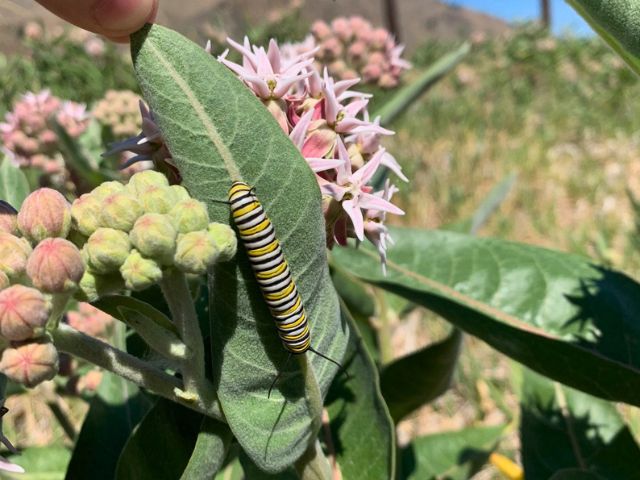
Pollinator habitat loss does not look the same everywhere. In urban areas, the reduction of green spaces limits food and nesting opportunities for native pollinators. Along river corridors, invasive plants crowd out milkweed and native flowering species critical to monarch butterflies. And in grasslands and preserves, decades of ecological disruption have reduced the diversity of native plants that pollinators depend on to survive.
The consequences of this problem cannot be overstated. Pollinators support biodiversity, strengthen ecosystems, and contribute billions of dollars to US agriculture each year. Without healthy pollinator populations, ecosystems become less resilient, food systems become more vulnerable to collapse, and communities feel the strain—especially under-resourced communities.
Local Restoration Projects Lead to Long-Term Environmental Stewardship
While the threat to pollinators is real, so is the response. Across the country, people are rebuilding pollinator habitat through hands-on stewardship projects rooted in the needs of their local landscapes.
A 2024 pollinator census conducted by researchers at NC State found that 88% of participants increased their knowledge of pollinator conservation and 72% changed their gardening practices after participating in community science activities. However, a recent poll from the National Recreation and Park Association found that, while 95% of Americans support creating pollinator-friendly spaces, a majority of them are unsure of how to help—underscoring the need for pairing hands-on habitat restoration with community education and volunteer engagement.
NEEF's Biodiversity Conservation Grant, supported by Toyota Motor North America, helps public lands managers address this issue, combining habitat restoration with environmental education to create projects that generate impact long after the grant period ends. Three recent projects show this model in practice. Set in three vastly different environments that each called for a unique approach, all shared one method: active restoration through hands-on, community-led partnerships, with environmental education at the core of their lasting success.
By creating opportunities like seedball-making, pollinator education programs, and hands-on restoration days, the conservation of native plants and pollinators becomes tangible and relevant for community members, including youth and families.
Kate Yeater, Director of Communications and Outreach at the Salmon Valley Stewardship.
Restoring Grassland Habitat for the Regal Fritillary Butterfly in New York
Freshkills Park, a 2,200-acre public park built atop a former landfill on Staten Island in New York City, is one of the few remaining habitats suitable for the regal fritillary butterfly, which has experienced extreme habitat loss and requires focused conservation efforts to ensure its survival.
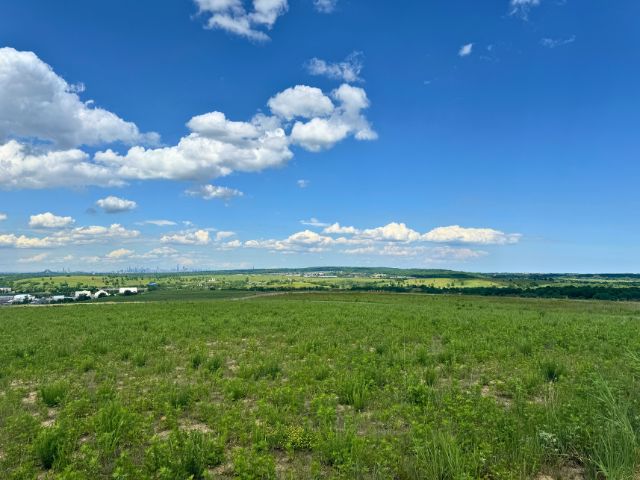
In the summer of 2025, with support from NEEF’s 2024-25 Biodiversity Conservation Grant, the Fund for the City of New York successfully reached its goal to enhance approximately 1,000 acres of pollinator habitat while fostering community involvement and stewardship through volunteer work and educational outreach.
Restoration efforts included extensive invasive species removal, planting approximately 55,000 native violets and 3,500 milkweed plants, and establishing a new Center for Pollinator Research and Conservation in partnership with local academic and conservation organizations.
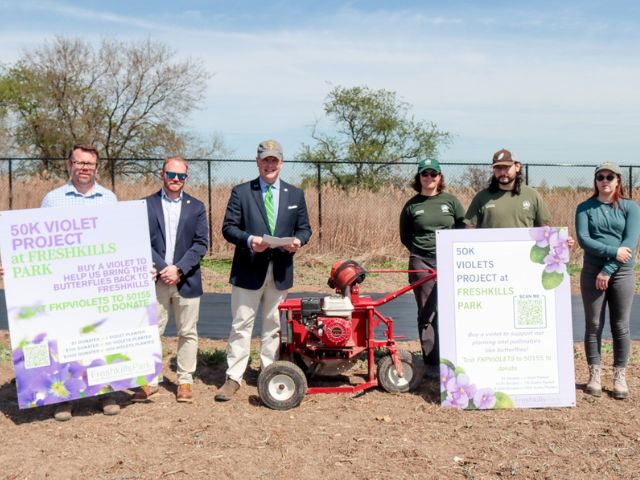
Community engagement was central to the project’s success. The initiative involved more than 2,100 volunteers through 30 public stewardship events and five large-scale volunteer days that brought together area residents, high school and college students, community organizations, and conservation experts. In total, the project’s educational programming has reached approximately 12,000 individuals, including those in underserved communities.
For those looking to replicate the success of this project in their own community, Jose Ramirez-Garofolo, Director of the Freshkills Biological Station and Chief Science Officer of the Freshkills Park Alliance, has some words of advice: “Actively engage community groups and educational institutions early, leverage partnerships with local nonprofits and government agencies, and create structured volunteer programs that complement scientific objectives.”
Rebuilding Monarch Habitat Along a 20-Mile River Corridor in Idaho
Through their “From the River to the Ridges” project, the Salmon Valley Stewardship was able to restore and enhance nearly 2,000 acres of pollinator habitat—more than twice the area of Central Park in New York City—along the Salmon River corridor in Idaho.
The project combined large-scale native seed restoration with community-driven conservation and education efforts. Teams of local volunteers collected a staggering 33 million native seeds from over 126,000 plants, which they used to make approximately 387,000 seedballs that were then dispersed to restore riparian habitat across the landscape.
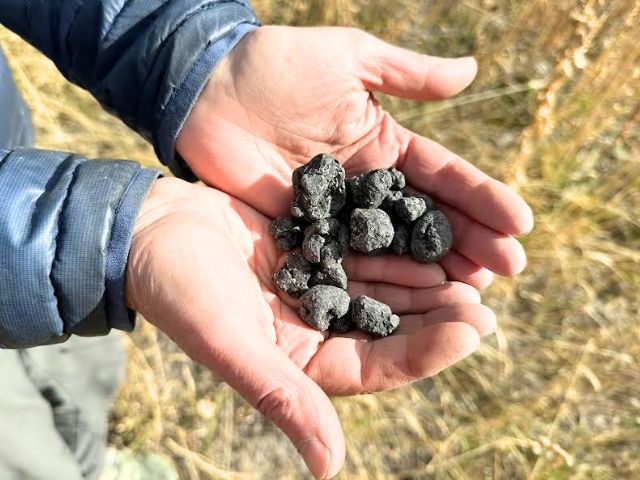
The initiative engaged local volunteers and regional experts, including partners from Idaho Fish & Game, the US Forest Service, and regional conservation organizations. Volunteers participated in milkweed monitoring, seed collection, seedball production, and habitat restoration activities.
Community outreach was a big part of the project as well. Over 300 people were involved through workshops, youth camps, school programs, farmers market events, college internships, and partnerships with Tribal youth programs. Through this project, the Salmon Valley Stewardship team showcased how hands-on restoration and environmental education can strengthen long-term stewardship and biodiversity conservation.
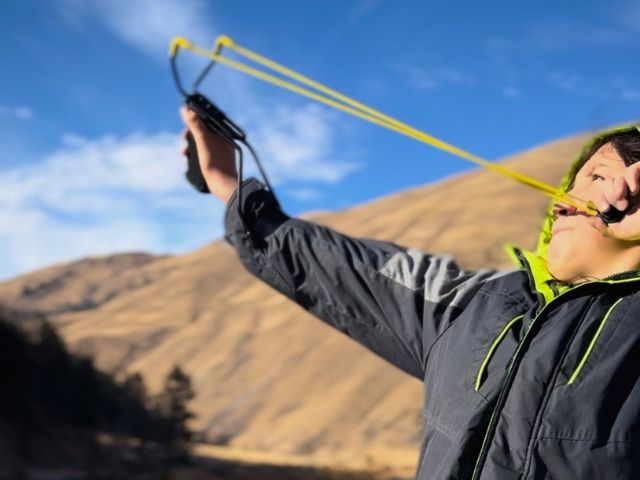
"By creating opportunities like seedball-making, pollinator education programs, and hands-on restoration days, the conservation of native plants and pollinators becomes tangible and relevant for community members, including youth and families,” said Kate Yeater, Director of Communications and Outreach at the Salmon Valley Stewardship. “In our rural, resource-rich landscape, these shared experiences foster a lasting culture of stewardship."
Managing Invasive Species and Restoring Native Pollinator Plants in Kentucky
Thanks to support from NEEF’s 2024-25 Biodiversity Conservation Grant, the Kentucky Nature Preserve Pollinator Project restored and enhanced over 400 acres of pollinator habitat, including 278 acres of monarch butterfly habitat, across four protected sites in Kentucky: Blue Licks State Nature Preserve, Short's Goldenrod State Nature Preserve, Kentucky River Palisades, and the Tom Dorman State Nature Preserve.
The Office of Kentucky Nature Preserves (OKNP) used prescribed burns, invasive species removal, herbicide treatments, and forest management techniques to improve habitat quality for pollinators and rare native plants, including federally endangered plants like the Short’s Goldenrod and Globe Bladderpod.
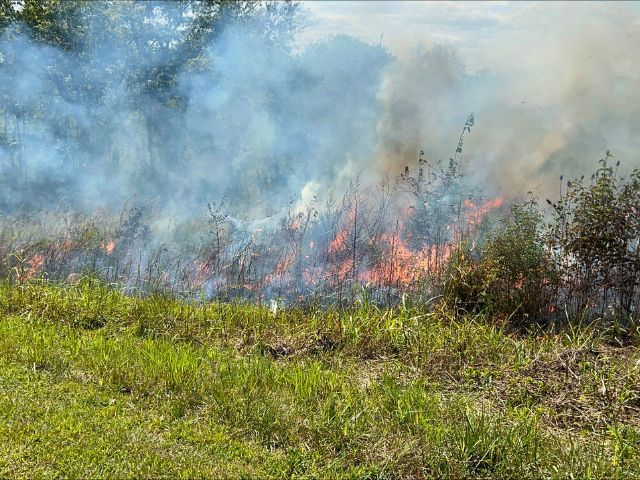
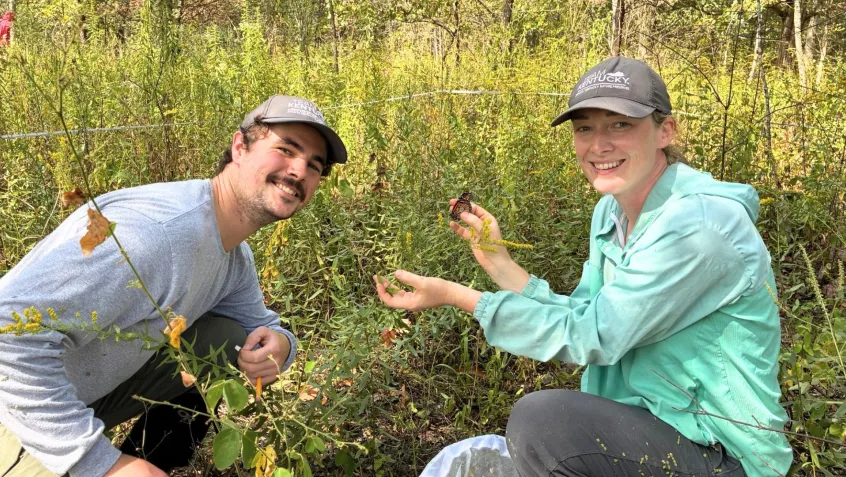
Through events like monthly stewardship days, monarch tagging events, and educational hikes, OKNP was able to engage approximately 150 volunteers across all four public lands sites. Volunteers helped remove invasive species from more than 11 acres at Tom Dorman State Nature Preserve and participated in habitat management trainings focused on prescribed fire and pesticide application.
Outreach and education programs reached an additional 200-plus people through conferences, workshops, farmers market events, and National Public Lands Day activities, strengthening efforts to foster long-term stewardship within local communities while improving pollinator habitat across Kentucky’s Bluegrass Region.
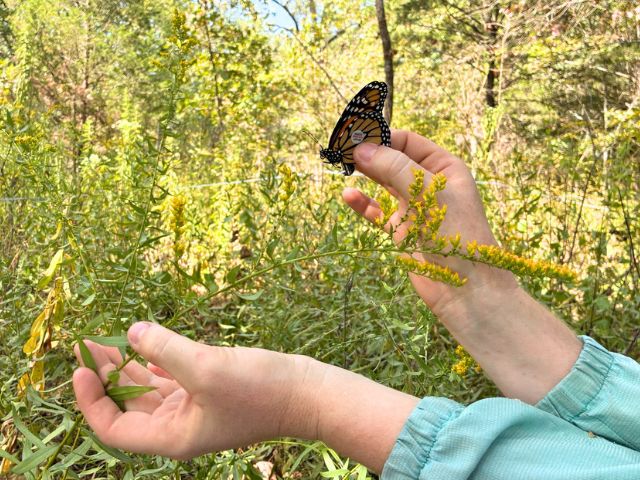
“Through hands-on workshops, volunteer days, and targeted outreach, participants gained awareness of rare and imperiled pollinator habitats, learned practical land management skills, and became active stewards of Kentucky’s natural heritage,” said Jason Nally, Natural Areas and Recovery Branch Manager at OKNP. “This shift created a durable conservation impact that will extend well beyond the grant period.
Restoring Pollinator Habitat Starts with Local Action
Successful pollinator habitat restoration is not only about planting native flowers or removing invasive species. Long-term recovery depends on people developing the knowledge, skills, and commitment needed to care for these landscapes over time.
This is why it’s essential for community-led conservation projects to pair land restoration work with education and volunteer engagement. Students will gain valuable real-world experience through service-learning programs, volunteers will learn important habitat management techniques, and local organizations will build partnerships that reinforce the area’s conservation capacity and resilience.
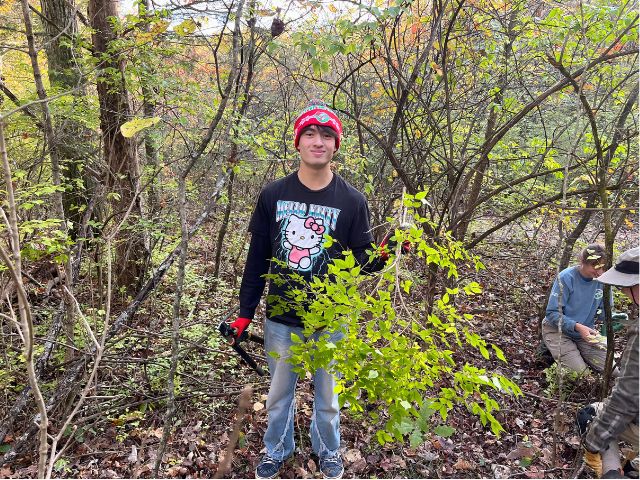
While pollinator habitat across the US may experience different ecological pressures, the approach remains consistent: active restoration paired with community learning. Programs like NEEF’s Biodiversity Conservation Grant and annual events like National Public Lands Day provide opportunities for people to get their hands dirty while building stronger connections to the ecosystems around them, fostering a sense of ownership that helps lay the foundation for long-term conservation success.