How STEM Degrees Translate into Environmental Science Careers
STEM graduates have a wide range of options in the growing field of environmental science, where the traditional subjects of physics, biology, and chemistry remain fundamental. As the demand for sustainable solutions and green technology grows, people with STEM training can make a real difference and help build a greener future.
So how do the traditional STEM subjects connect to environmental careers, and where can a STEM graduate actually start?
The Hard Sciences
Physics, biology, and chemistry sit at the heart of environmental science, and each opens different doors. Chemists and physicists often work in the lab, measuring pollutants, studying atmospheric gases and their effect on global temperatures, or analyzing paleodata to separate natural climate signals from human ones. Biologists study how a changing environment affects plants, animals, and the habitats they depend on. These paths lead to roles such as environmental chemist, air quality scientist, conservation biologist, wildlife biologist, soil scientist, and toxicologist, many of which fall under the broad heading of environmental scientist and specialist.
Technology and Green Innovation
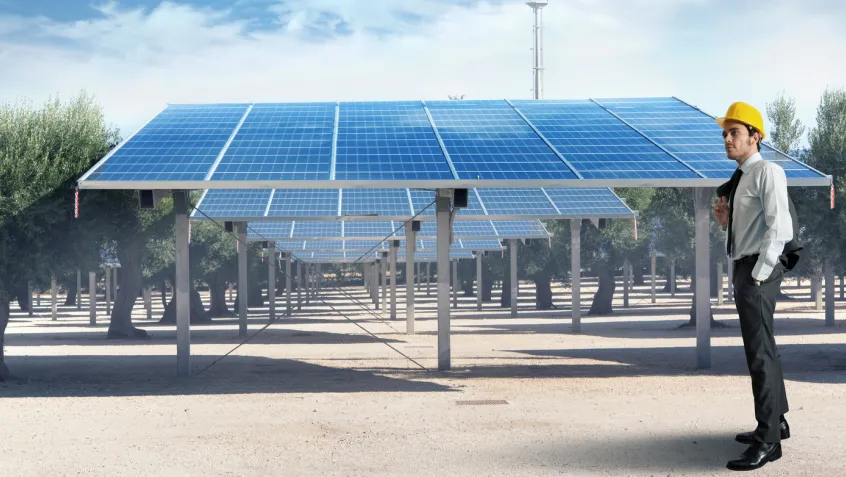
Technology drives much of the progress in this field, and the push toward clean energy has created steady demand for people who can build it. Graduates work on renewable systems such as solar and wind, improve the efficiency of existing technology, develop recyclable materials, and design the sensors and software that monitor environmental conditions. The work runs from renewable energy technologist and materials scientist to remote sensing specialist and environmental data analyst. As energy needs grow and the move away from fossil fuels continues, this corner of the field keeps expanding.
Environmental Engineering
Environmental engineering has grown into a substantial part of the field, and the career options are broad. As construction and development continue, engineers are needed to balance those demands against the duty to cut emissions and protect ecosystems. Environmental engineers work alongside civil engineers to build sustainably, design water delivery and waste management systems, clean up contaminated sites, and control pollution. The Bureau of Labor Statistics puts the median salary for the role above $100,000, with demand holding steady through 2034.
Mathematics and Modeling
Math graduates are essential across environmental science. The projections issued by the Intergovernmental Panel on Climate Change (IPCC) and similar bodies rest on calculations of greenhouse gas output and its effect on the climate. The same holds for teams studying ocean temperatures, sea ice, and solar activity, where the models carry many variables and demand advanced math to build and interpret. Beyond climate, mathematicians and statisticians analyze data on water quality, pollution, and biodiversity, working as climate modelers, environmental data analysts, and biostatisticians. That category is projected to grow much faster than average through 2034.
Where to Start
The opportunities for STEM graduates in environmental science are already wide, and clean technology will only add to them. For a graduate weighing the move, the practical next step is to look up a few of these roles and compare their pay, daily work, and outlook side by side. The Bureau of Labor Statistics profiles most of them in one place, which makes it easy to see where your own subject fits.
Originally published: January 2016 • Updated