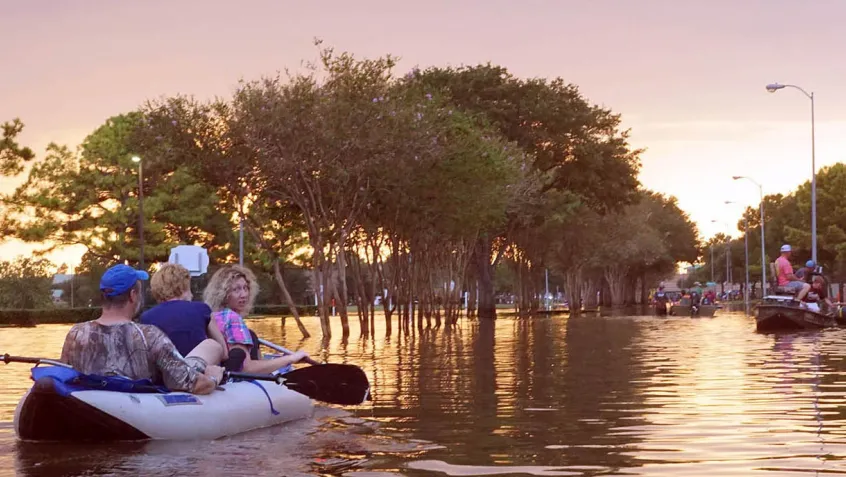
Climate change can seem like a distant problem, but it already poses health threats here and now. Some of them are easy to spot; we’ve all read headlines in the news about droughts, flooding, or wildfires.
Other issues are harder to see. Mental health can suffer as people struggle to cope with extreme weather events. Diseases can be spread farther by ticks and mosquitoes. Air quality can be reduced due to pollutants, allergens, or dust.
People are impacted by climate change in different ways. While some may not notice a difference in their health, others—children, pregnant women, the economically disadvantaged, or the socially isolated—are particularly vulnerable to the negative effects. Approximately 3.3 to 3.6 billion people worldwide already live in conditions that make them highly susceptible to its impacts.
How Climate Change Impacts Human Health
The World Health Organization explains that climate change threatens the social and environmental foundations of good health:
- Clean air
- Safe drinking water
- Sufficient food
- Secure shelter
By 2050, climate change is projected to cause 14.5 million deaths and $12.5 trillion in economic losses. The 2025 Lancet Countdown report reinforces that trajectory, finding that 12 of 20 key health threat indicators have already reached record levels.
Globally, children are estimated to bear the biggest burden of disease due to climate change. Pollutants and allergens can cause respiratory disease or make symptoms of existing conditions—like asthma, which more than five million children struggle with—worse.
For example, one of the most common environmental allergens is ragweed, which can cause hay fever and trigger asthma attacks. Since 1995, ragweed pollen season has grown longer at 10 of the 11 locations studied by researchers at the US Department of Agriculture. In some regions, climate change brings pollen season earlier, extends the growing season, and leads plants to produce larger quantities of pollen. Smog and wildfire smoke can also expose children to dangerously low air quality.
These problems are already happening. But surveys show that many Americans don’t realize how climate change can impact their health. That’s why expanding public health education about managing environmental exposure due to climate change is so important.
Take Action for Public Health
The challenge of addressing climate change starts with awareness. The future depends on decisions made today; now is the time to scale up efforts to protect public health.
Medical and public health professionals should review NEEF’s Pediatric Asthma Initiative for more information about asthma care and management, including a free eLearning course developed to help pediatric healthcare providers and clinicians manage environmental asthma triggers and intervention strategies.
NEEF offers a range of free resources for health professionals, educators, and caregivers working at the intersection of environment and health:
- Pediatric Asthma Initiative provides training and tools for healthcare providers to identify and manage environmental asthma triggers.
- EMPOWER, developed with Hip Hop Public Health, uses original music and animated videos to help young people take charge of their asthma management.
- Climate Emotions Toolkit for Educators supports teachers and students navigating the emotional impacts of climate change.
- Nature Champion Course, builds capacity among healthcare providers and clinicians to prescribe nature as part of patient care.
- Environmental Management of Pediatric Asthma online course: A free 90-minute eLearning course for pediatric healthcare providers and clinicians on managing environmental asthma triggers, built around the CDC's EXHALE evidence-based strategies.
Originally published: June 2021 • Updated