How Much Trash Do Americans Produce?
According to the EPA's most recent national data (2018), the average American generates approximately 4.9 pounds of trash per day, a figure that federal agencies have not formally updated since. Officially classified as Municipal Solid Waste (MSW), this garbage is comprised of items people typically throw away, including packaging, food, yard trimmings, furniture, electronics, tires, and appliances.
- Americans generate a growing amount of trash, with both total waste and per-person waste increasing over time.
- Much of this trash ends up in rivers, lakes, and oceans, where it harms wildlife, ecosystems, water quality, and local economies.
- Small, everyday choices matter, and simple actions can help keep trash out of rivers, lakes, and oceans.
Waste Has Grown Dramatically Over Time
Over the last 60 years or so, the amount of waste produced at the consumer level in the United States has increased by about 300%, from 88 million tons in 1960 to 268 million tons in 2017. To put that in perspective, the Washington Monument—all 555 feet of its height plus the below-ground foundation—weighs 100,000 tons, meaning that the amount of waste that the US produces in one year weighs as much as 2,680 Washington Monuments.
Part of the increase in American waste production can be explained by population growth. In general, more people means more waste. However, the average amount of waste produced per person has also increased by about 34%, from 3.7 pounds of waste per person per day in 1980 to 4.9 pounds per person per day in 2018.
Where Does All This Trash Go?
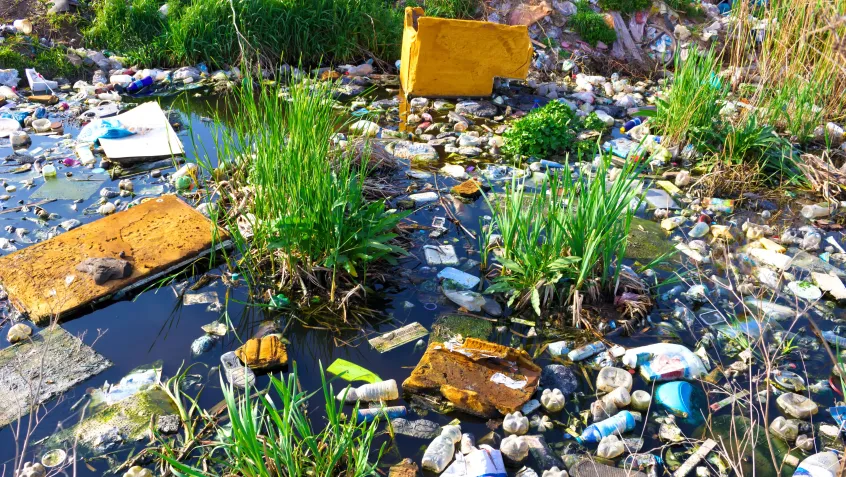
All this waste must go somewhere, and if not recycled or otherwise properly disposed of, it can end up in our waterways, threatening water quality, endangering plants and animals, and polluting the outdoor spaces that we depend on for tourism and recreation. A significant percentage of trash—especially plastic waste—comes from land-based sources, including trash that is dumped directly into waterways or carried by runoff from streets to storm drains or directly into canals, rivers, and the ocean.
In 2025, nine of the Ocean Conservancy’s top ten items from global beach cleanups were related to food and beverage packaging. Plastic, in particular, has the potential to harm the environment, wildlife, and humans. Once rivers and streams wash it from land to the sea, it can persist for years, spreading out to every level of the water column from surface to substrate as it breaks down over time into smaller pieces.
How Trash Harms Wildlife and Ecosystems
Once in our waterways, trash poses many threats. Animals can become entangled in debris and subsequently suffocate or drown. Once ingested, plastic debris that looks like food to fish, turtles, birds and marine mammals can accumulate and become lodged in their digestive systems, leading to starvation or other health effects. According to NOAA, hundreds of thousands of marine mammals and sea turtles die each year from either trash ingestion or entanglement.
Trash in our waters can cause changes to the habitats that aquatic organisms depend on for survival. Debris that accumulates in rivers, lakes or oceans can smother natural habitats, alter the amount of light entering underlying waters, and deplete oxygen levels in the water.
Impacts on People and Communities
Humans are also impacted by aquatic trash. Marine debris can lead to declining fish populations, which can hurt the communities that rely on fisheries for subsistence, employment, income, and tourism. Trash washing up on beaches or floating in the water is unattractive and unsafe and may dissuade people from visiting tourist destinations. Boats and ships can be impacted by aquatic debris if the material tangles propellers or clogs vessel intakes, resulting in expensive repairs and delays in shipping and transportation.
Plastic marine debris presents unique toxicological threats to fish and wildlife and to humans who eat them. Certain classes of toxic chemical pollutants adhere to plastic waste in the water in such a way that the plastics act like magnets for these noxious chemicals. Over time, through exposure to UV rays, wind and waves, pieces of plastic break down into smaller and smaller pieces. When aquatic organisms eat these plastic particles, they also ingest any of the toxic persistent chemicals that the plastic had accumulated. Those persistent chemicals make their way up the food chain and may be present in the fish that makes its way to your dinner plate.
The United States relies heavily on healthy waterways and shores for clean drinking water, transportation, fisheries, tourism, recreation, protection from extreme weather, and more, and the presence of trash in these waters threatens our health, economy, and environment.
The Power of Collective Action
National Public Lands Day, the the nation’s largest single-day volunteer event for public lands, has traditionally been a great opportunity for people to pitch in and clean up their local waterways. In its more than three decade history, there have been almost 200 events focused on waterways—from lake and ocean beach cleanups to removing invasive species from creeks, ponds, and wetlands. More than 15,000 volunteers have collected over 76,000 pounds of trash from nearly 500 miles of shoreline—that's longer than North and South Carolina's coasts combined!
It just goes to show: While our individual actions may seem small, through the power of hands-on education and collective action, communities across the country can come together for volunteering events like National Public Lands Day to make a big impact for their local environment.
What YOU CAN Do
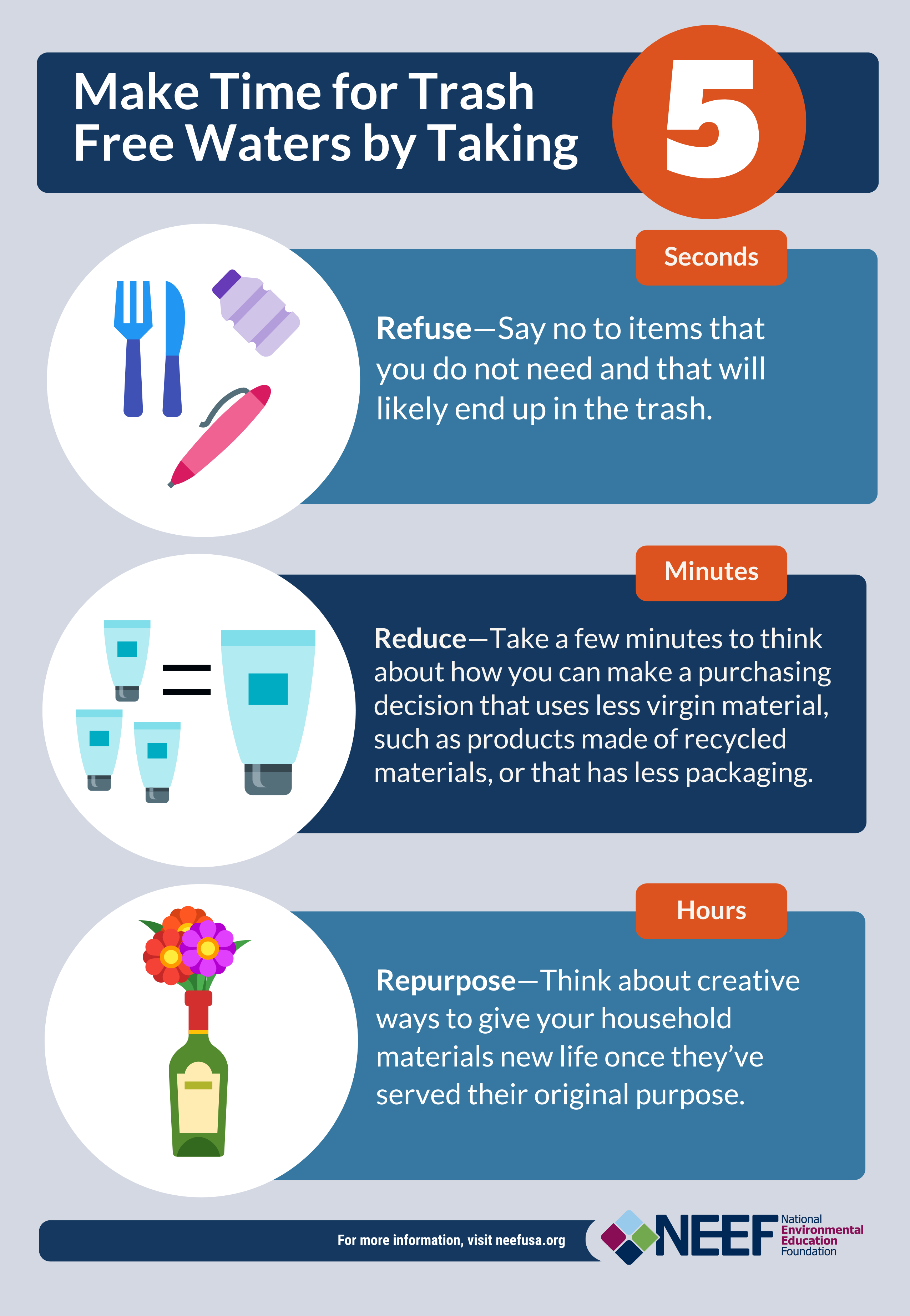
The good news is you can take some simple everyday steps to help keep trash out of our waterways. Whether you find yourself with an extra five seconds, five minutes, or five hours, here are some ways to help keep our waters trash free.
What you can do if you have... |
|---|
5 Seconds |
|
Refuse One quick way to keep your trash under control? Don’t take it in the first place! Say no to items that you don’t need and that will likely end up in the trash, such as the free pen at the bank, or plastic flatware in your takeout order. |
5 Minutes |
|
Reduce Reuse Recommend Recycle and Rot Rein in the Curbside Collection
|
5 Hours |
|
Repurpose Read Up
Rectify |
Originally published: July 2020 • Updated