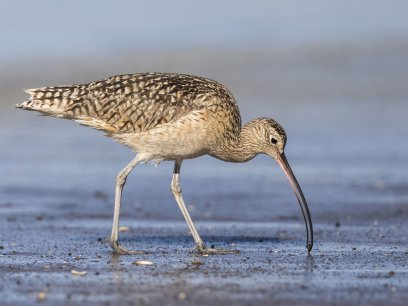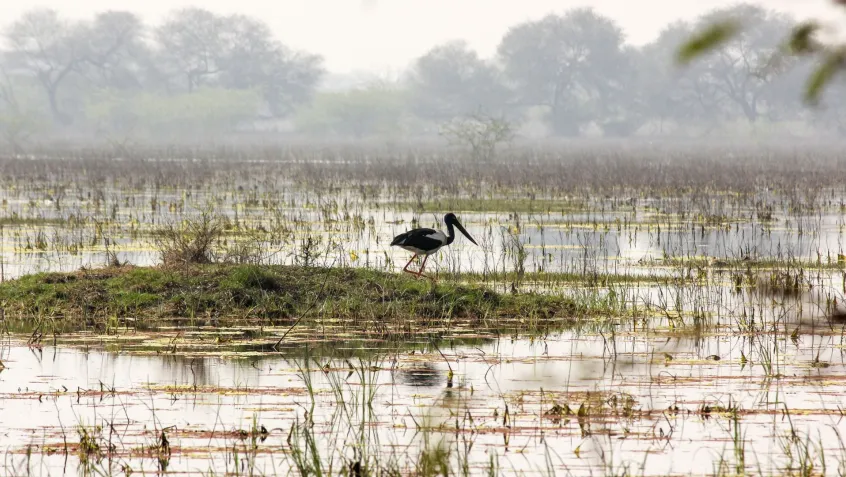
No matter where you live, chances are there's a wetland nearby. Wetlands support diverse fish and wildlife species, filter pollutants from rain water runoff, help recharge groundwater supplies, and prevent flooding in our communities.
Despite their many benefits, the United States loses about 60,000 acres of wetlands each year - that's the equivalent of more than 45,000 football fields! Read on to learn more about these key habitats and what you can do to protect your local wetlands.
What are Wetlands?
Wetlands are diverse ecosystems with unique soil types, vegetation, and water qualities that vary by geographic location.
Types of wetlands include:
- Floodplains: Low-lying land bordering rivers and streams, floodplains absorb and gradually release water during seasonal floods. The vegetation that takes root in these areas naturally slows moving water, reducing flood peaks and preventing the erosion that unchecked floodwaters cause.
- Mangroves: Hardy trees and shrubs uniquely adapted to salty, oxygen-poor coastal soils, mangroves thrive in tropical and subtropical regions where most plants cannot survive. Their dense, tangled root systems dissipate wave energy, trap sediment, and shelter countless fish, birds, and invertebrates that depend on coastal habitats.
- Saltmarshes: Tidally flooded coastal wetlands built on layers of mud and decomposing plant matter, saltmarshes sit at the interface between land and sea. A single acre can soak up more than a million gallons of floodwater, and the dense root systems of marsh grasses filter agricultural and urban runoff before it reaches coastal waters.
- Bogs and Fens: Both are peat-forming freshwater wetlands found primarily in the northern US, the Great Lakes region, and Canada. Bogs are fed almost entirely by rainfall, creating acidic, nutrient-poor conditions carpeted in sphagnum moss. Fens receive water from groundwater and surrounding soils, making them less acidic and home to a wider variety of grasses, sedges, rushes, and wildflowers
- Forested wetlands: Swamps are wetlands dominated by woody plants, with saturated soils during the growing season and standing water during certain times of the year. Their highly organic soils support water-tolerant trees like Cypress, Tupelo, and Atlantic White Cedar, and provide habitat for birds, fish, and rare species like the endangered American Crocodile
- Freshwater marshes: Ranging from the prairie potholes of the Midwest to the vast Everglades, freshwater marshes are shallow, open wetlands defined by soft-stemmed plants like cattails and bulrushes adapted to life in saturated soil. They play a quiet but essential role in replenishing groundwater, buffering streamflow, and supporting a wide range of plant and animal species.
Wetlands provide many beneficial services, including:
- Filtering pollutants
- Storing carbon
- Providing recreation sites for boating and fishing
- Providing wildlife habitat
- Preventing flooding of surrounding areas
However, these services are threatened by human activities, such as agriculture and urban development, and natural processes, such as erosion and flooding.
Impact of Climate Change on Wetlands
A changing climate magnifies these stressors through increasing rates of sea level rise, extreme precipitation, and drought.
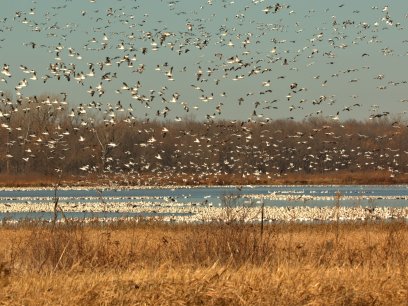
For example, the Prairie Pothole Region in the north-central part of the US is an inland wetland that provides essential breeding habitat for more than 50% of North American waterfowl species. This region has experienced temporary droughts in the past, and a drier future may lead to a dramatic drop in waterfowl breeding grounds which provide highly valued hunting and wildlife viewing opportunities.
Sea level rise predominantly adds stress to coastal wetlands due to increased salinity from saltwater intrusion, decreased barriers to storm surges, and increased erosion.
For example, development along coastal Louisiana has resulted in the loss of 1,900 square miles of wetlands in recent decades. When coupled with projected rates of erosion due to sea level rise, the existing wetlands will no longer be able to function as natural buffers to flooding during strong storm events.
How You Can Help Protect Your Local Wetlands
Taking the following simple steps will also go a long way toward helping your local wetlands thrive:
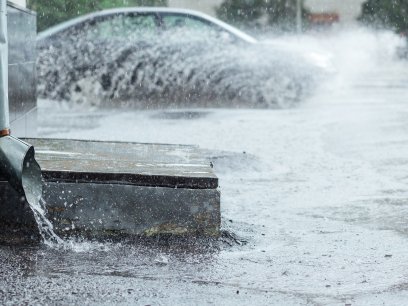
- Keep lawns and driveways free of pet waste, fertilizers, and motor oil. These pollutants can wash into storm drains and eventually reach a wetland.
- Choose native species when planting trees, shrubs, and flowers to preserve the ecological balance of local wetlands.
- Use non-toxic products for household cleaning and lawn and garden care. Never spray lawn and garden chemicals outside on a windy day or on a day when rain might wash the chemicals into local waterways.
- Many exotic animals are introduced into wetlands by homeowners and hobbyists, where they can harm native wildlife. If you have a home aquarium with exotic saltwater or freshwater fish, or raise non-native amphibians or reptiles, do not release them into the wild.
- Volunteer to help monitor or restore wetlands near you. Get in touch with local environmental organizations, your state agency, or community groups to see how you can participate in programs that protect wetlands.
Wetlands Resources for Teachers
A great tool for teaching kids more about the different types of wetlands found in the US is NEEF's Wetlands Activity Guide, which also includes instructions on how to make your own origami lotus flower!
Download Wetlands Activity Guide
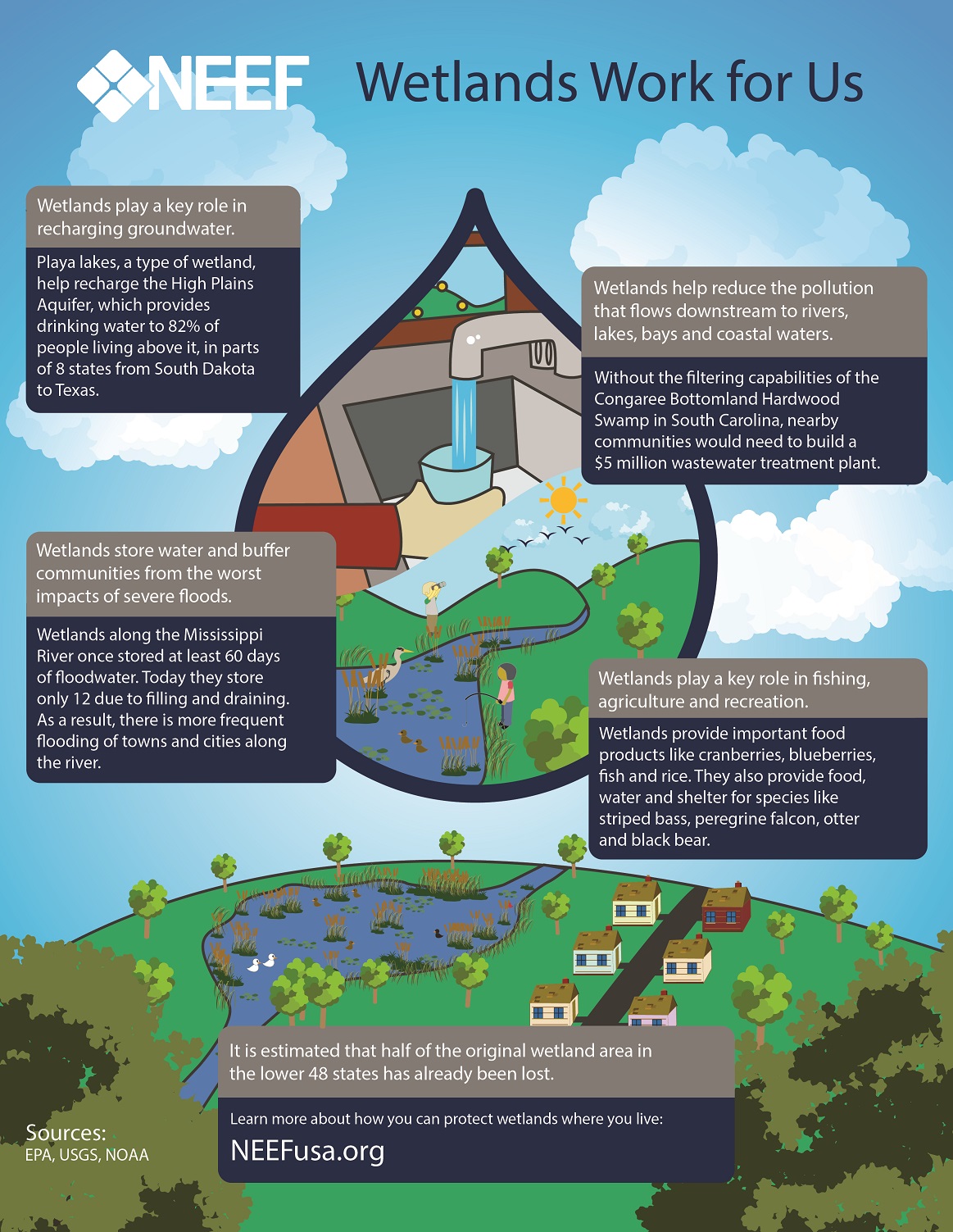
You can also use NEEF's Wetlands Work for US infographic as part of your lesson plans:
Download Wetlands Work for Us Infographic
Originally published: September 2015 • Updated