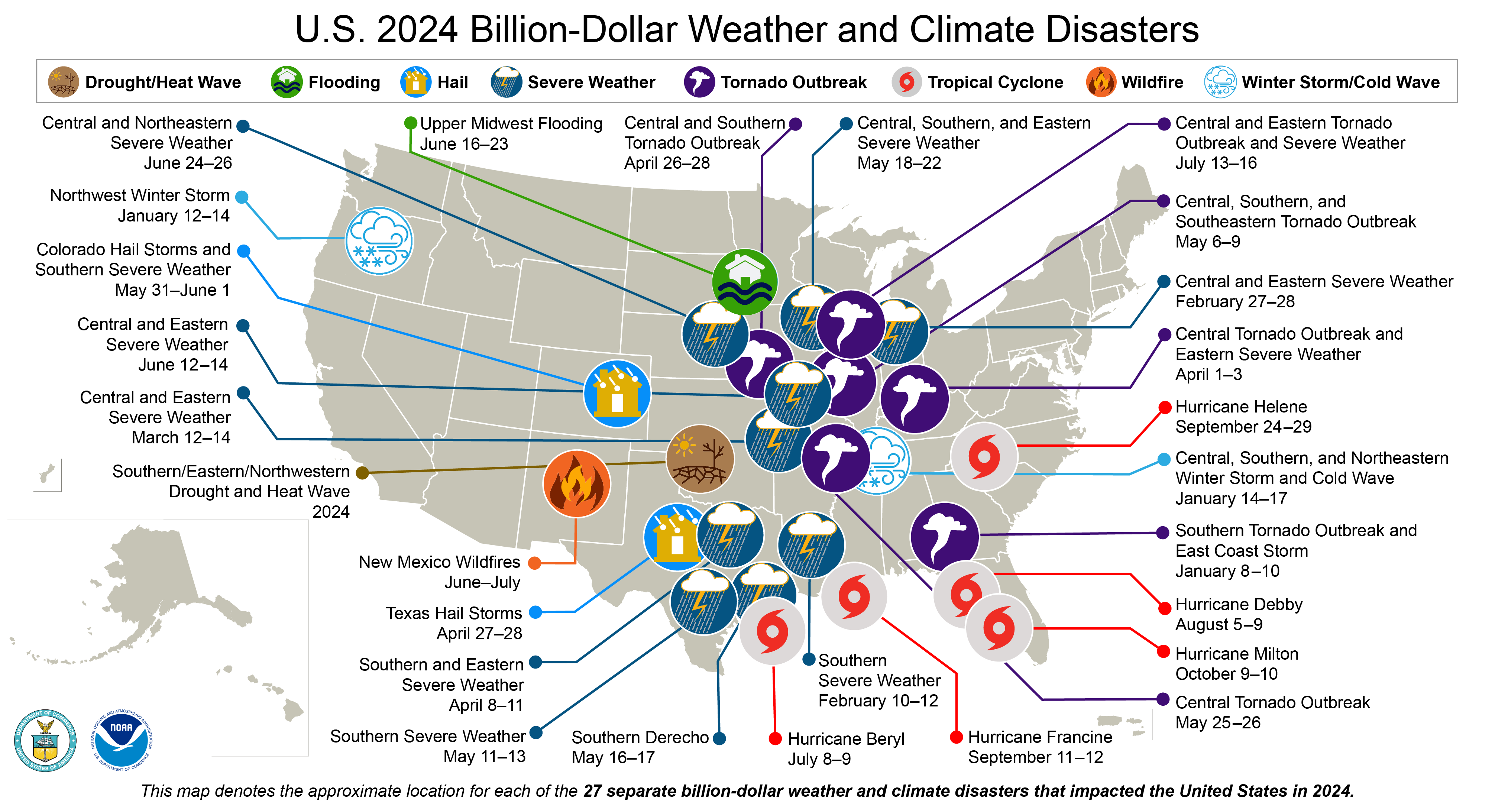
The US is no stranger to extreme weather—over the past few years, storms such as Hurricane Ian (2022), Hurricane Idalia (2023), and Hurricane Beryl (2024) have caused widespread property destruction, mass casualties, and long-term negative impacts to local communities. According to the National Oceanic and Atmospheric Administration (NOAA), hurricane-related damages in the US have exceeded $1.5 trillion since 1980, with recent seasons increasing in intensity due to climate change.
If a hurricane or extreme weather event threatens your area, here are measures to take before, during, and after the storm.
Before a Hurricane: Plan and Prepare Early
- Plan for evacuation. If you live on the Gulf or Atlantic Coasts, determine if you live in a hurricane evacuation area. If the answer is yes, plan your escape route—and be sure to make a plan for your pets as well. In the event of an emergency, not all storm shelters can accommodate animals.
- Make a shelter plan. In some instances, it may be safer to shelter in place, but desperate times may call for you to find another place to stay. Make a plan of where you’ll go and what essentials you need to bring with you ahead of time.
- Make a communications plan. If a storm hits and knocks out cell phone service, how will you keep in contact with your family? If someone gets separated from the group, where will you all meet? Make sure everyone knows the plan.
- Build your emergency kit. If you’re unable to get to the store before extreme weather hits, will you have enough non-perishable food, potable water, medical supplies, personal prescriptions, and lighting to get by for at least three to seven days? Your emergency kit should have all these things, plus any additional supplies specific to your situation.
- Check your insurance. Check your insurance policies to make sure you have adequate coverage for your home and personal property in the event of a hurricane. Document your property in case it is damaged or destroyed.
- Know your weather alerts. What’s the difference between a Hurricane Advisory, Hurricane Watch, or a Hurricane Warning? Make sure you know what each of these terms mean and what you need to do when they are announced.
During a Hurricane: Stay Safe and Follow Guidance
- Secure your home. Before the storm arrives, install storm shutters or board up windows, bring in outdoor furniture, and reinforce exterior doors if necessary.
- Follow official weather updates. Check the websites of your local National Weather Service office to get the latest information on the storm and learn how you should respond. Follow the instructions of emergency officials, and if the order is given to evacuate, do so.
- Shelter safely. If you are not ordered to evacuate, take steps to shelter in place. Remain in a small interior room, closet, or hallway, and stay away from windows, skylights, or glass doors. Don't forget—If the “eye” of the hurricane passes over, do not go outside. Dangerous winds will resume quickly from the opposite direction.
After a Hurricane: Stay Alert and Avoid Hazards
Just because the storm has passed doesn't mean that the danger is over. Read on for safety instructions for returning to a damaged or flooded home and neighborhood.
- Wait for the all-clear. Only return home when local authorities confirm it is safe.
- Watch for hidden dangers. When walking or driving around your neighborhood, avoid flooded roads and damaged walkways and stay clear of debris and unstable-looking structures.
- Avoid standing water. Floodwater may be contaminated or electrically charged from downed power lines. Report any hazards you see to your local utility provider immediately.
- Use electricity safely. If possible, turn off electricity at the main breaker or the fuse box before entering your home. Contact your local power company or a qualified electrician to help if you are unfamiliar with this process.
- Document damage immediately. Take photos and video of all damage to your property for insurance purposes before you begin your repairs. Mitigate further damage (e.g., placing a tarp over a damaged roof) as soon as possible, as your insurance may not cover damage that occurs after the storm.
- Use generators properly. Never run generators indoors or in garages—carbon monoxide poisoning from improperly placed generators remains a leading cause of post-storm fatalities. Always operate generators outdoors, far from windows and doors.
- Avoid post-disaster scams. Unfortunately, there are those who will take the opportunity immediately after a storm to prey on the confusion and vulnerability of affected communities. Do your part to stop the spread of misinformation by finding and sharing trusted sources of information from organizations like FEMA, and discouraging others from spreading rumors from unverified sources.
Hurricane Preparedness Saves Lives
While hurricanes and other extreme weather events in the US are becoming more frequent and intense due to climate change, preparation remains your strongest defense. By planning ahead, staying informed, and acting quickly, you can protect your home, your family, and your community when disaster strikes. For more information, consult Ready.gov’s full Hurricane Safety Guide.
Originally published: November 2018 • Updated