Have you thanked a pollinator today? If you've taken a bite of apple, enjoyed a piece of chocolate, sat in the shade of a tree, or stopped to smell the flowers, you've benefited from pollination!
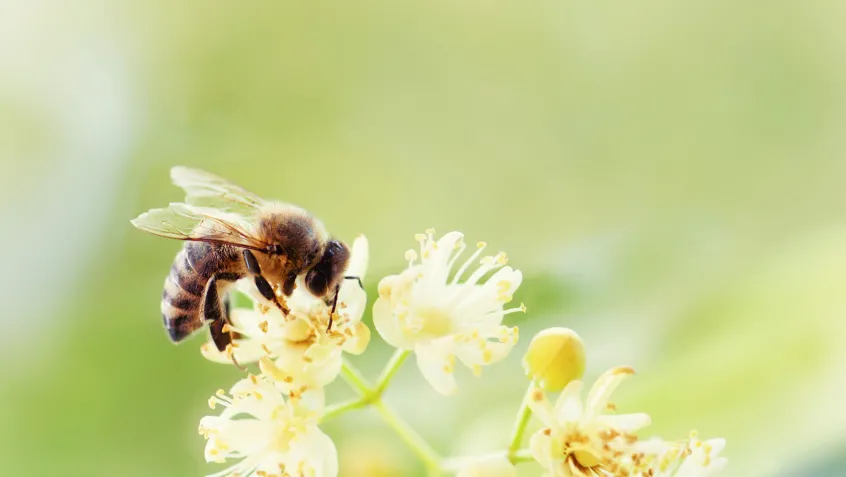
According to the Pollinator Partnership, between 75-95% of all flowering plants depend on pollinators—hummingbirds, bats, beetles, bees, ants, wasps, moths, butterflies, and other small animals that help plants reproduce by transporting pollen within a flower or between flowers, resulting in healthy fruits and fertile seeds.
Pollinators are keystone species; this means that many other species of plants and animals rely on creatures for their own survival. Humans are part of this pollinator-dependent group, too.
For example, some of the foods grown in the United States such as alfalfa, apples, blueberries, and strawberries rely on honey bees and native bees for pollination. When these animal pollinator populations are healthy, it can lead to larger fruit and better quality yield from plants, increasing agricultural production and improving the food source for many other wildlife species.
Despite this important work, many pollinator populations are in decline due to loss of habitat for feeding and nesting. Pesticides, disease, and climate change can also harm pollinator populations or force them to move to different areas.
The good news is that you can help save pollinators by creating pollinator-friendly habitat. Use the following activity guides to learn about the pollinators where you live, find out which plants they depend on, and create a place for pollinators.
Take a Pollinator Walk
Take a walk around your backyard, schoolyard, or neighborhood. Look closely at the trees, shrubs, plants, flowers, and even small patches of grass. Snap photos or sketch the insects and animals you spot, and use the websites below to help you identify your local pollinators.
- US Forest Service Animal Pollination Guides: Learn about how pollination works, common types of pollinators, and the plants they visit.
- US Forest Service Pollinator of the Month: Learn about the relationships between various pollinators and the plants they pollinate.
Investigate Native Plants
Native plants are adapted to local climate, soil, and pollinator species. Healthy pollinator populations depend on native plants for food, habitat, and nesting.
If you were planting a garden for the pollinators you found in your backyard, schoolyard, or neighborhood, which plants would you choose? Use the guides below to help you plan your garden.
- Pollinator Partnership Planting Guides: Regional guides to pollinator-friendly plants.
- Lady Bird Johnson Wildflower Center Native Plant Guides: Search native plant species by location, value to insects, and other features.
- US Forest Service Pollinator Syndromes: Plants and pollinators have physical characteristics, or syndromes, that make them a good match. Use this chart to learn which flower traits attract different types of pollinators.
Free Pollinator activity Guides from NEEF
You can use the following guides at home, at school, a local park, or anywhere pollinators are present.
- Biodiversity Series: Promoting Pollinators: Co-created with the Frost Museum of Science in South Florida, this guide helps students explore the world of pollinators by researching either honeybees or butterflies, the needs they have and threats they face, and then having them build a habitat that meets those needs.
- Pollinator Backyard Activity Guide: Young explorers can use this worksheet to monitor the types of pollinators they see, and then design and draw flowers and other plants they think pollinators would like.
- Build a bee hotel or create a container garden to help support your local pollinators.
No space? No problem! Put your observation skills to work instead. Join Bumble Bee Watch to help scientists track North American bee populations. Or, report monarch butterfly sightings to help scientists track their migration.