Time outdoors pays off, and research puts a number on it. In a study of nearly 20,000 people, spending at least two hours a week in nature was linked to better health and wellbeing, whether you got there in one long trip or a few short ones. The easiest way to reach that two hours is to do something you already love. Match your activity to a place that fits, and you will go more often and stay longer. Find your style below, each with a fact worth knowing and a way to give back.
The Hiker
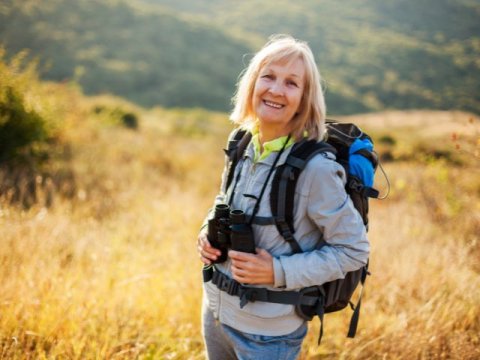
If a good day means miles of trail and changing scenery, the Green Mountain and Finger Lakes National Forests in Vermont and New York are threaded with paths, including a stretch of the Long Trail. Running 272 miles up the spine of Vermont, the Long Trail is the oldest long-distance hiking trail in the country, and it inspired the Appalachian Trail. To plan a day hike, download a georeferenced map from the forest's website through the free Avenza app before you lose cell service. Closer to home, many state parks have trail systems just as rewarding, and you can find one through America's State Parks.
- Give back and learn. A surprising share of the trails you hike are kept open by volunteers. You can join a trail workday or adopt a section through volunteer.gov, and a little reading on Leave No Trace will help you tread lightly while you are out there.
The Climber
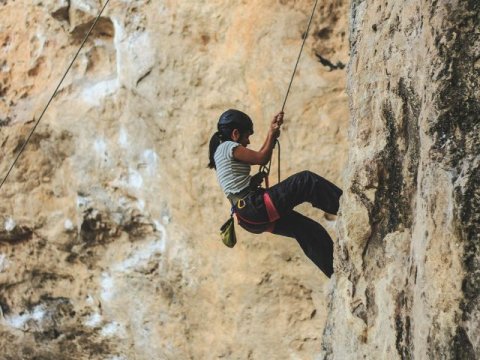
For going vertical, Red Rock Canyon National Conservation Area outside Las Vegas is one of the finest climbing destinations in the country. Its towering red and buff walls are Aztec sandstone, the petrified remains of ancient sand dunes. A timed-entry reservation is required to drive the scenic loop from October 1 to May 31, which you can book on Recreation.gov, and route guides are available at the visitor center. Several state parks welcome climbing and bouldering too, often with far smaller crowds.
- Give back and learn. Because sandstone is crumbly by nature, climbers protect the rock and themselves by staying off it for a day or two after rain, when wet holds break easily. Respecting seasonal closures for nesting falcons matters just as much, and many areas host crag cleanups.
The Angler
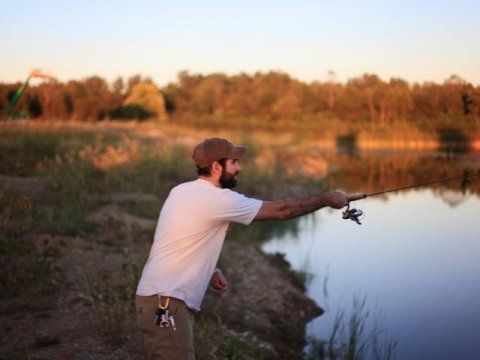
If you would rather be near the water with a line in, J. Strom Thurmond Lake on the Georgia and South Carolina border is one of the most visited Army Corps lakes in the country, with roughly 71,000 acres of water and 1,200 miles of shoreline. You will need a fishing license, which you can buy online from the state wildlife agency, and the fee you pay goes directly toward conservation and habitat work. State parks, lakes, and rivers add countless options close to home.
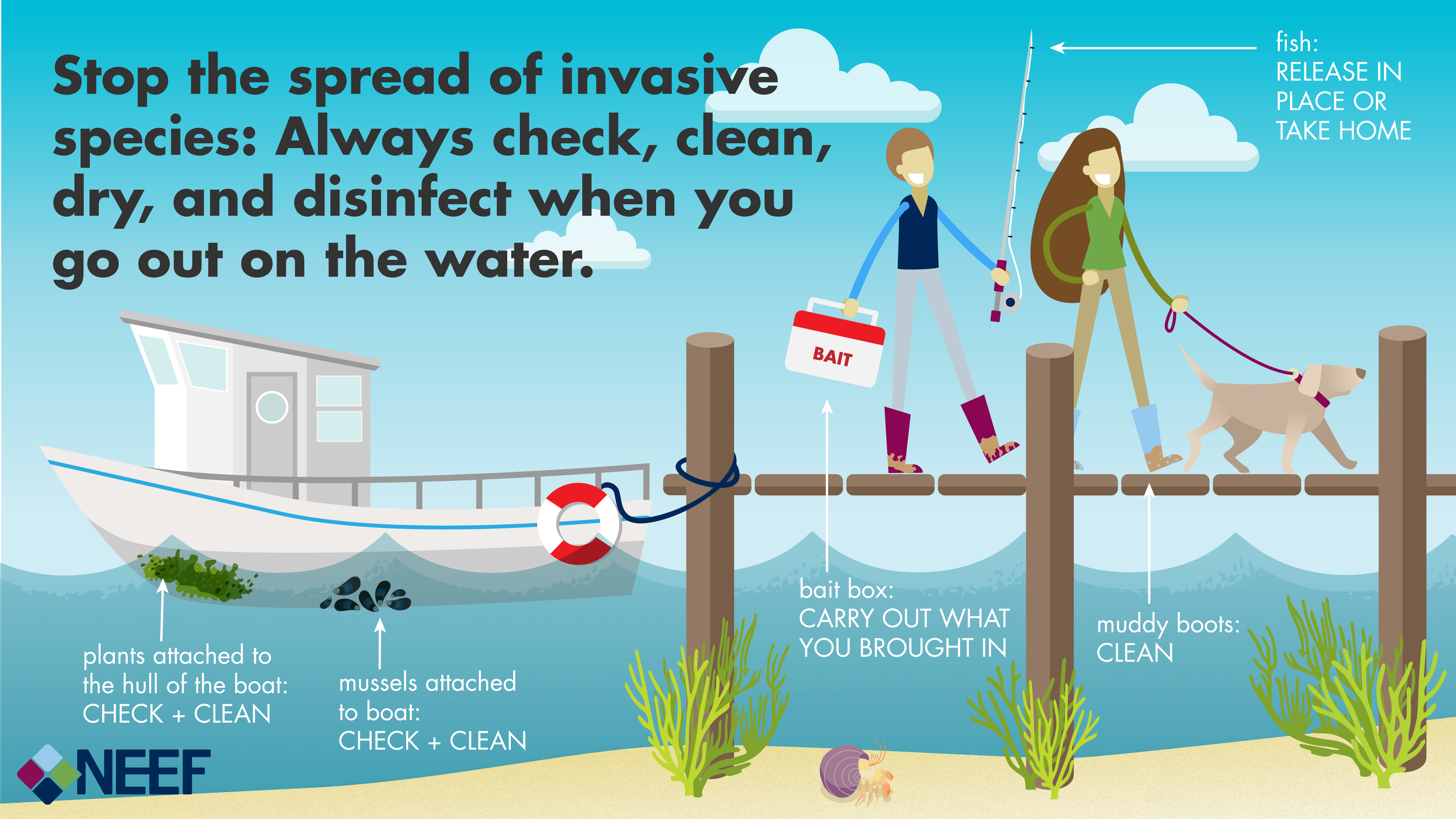
- Give back and learn. You can keep waterways healthy by cleaning, draining, and drying your gear between trips, which stops the spread of aquatic invasive species like zebra mussels. Many state agencies also train volunteers to monitor water quality, a hands-on way to learn the science behind a healthy lake.
The Equestrian
To see the outdoors from the saddle, Mammoth Cave National Park in Kentucky offers miles of surface trails open to horseback riding above an underground wonder. The cave below is the longest known in the world, with more than 400 miles surveyed and far more than any other. Before you trailer in, check the park's rules, since many sites require a current negative Coggins test for your horse. A number of state parks maintain dedicated bridle trails as well.
- Give back and learn. Riders help protect the land by using certified weed-free feed, which keeps invasive plant seeds from hitchhiking onto the trail. Volunteer trail crews welcome stock users too, and they are a good way to learn how trails are built and kept open.
The Photographer
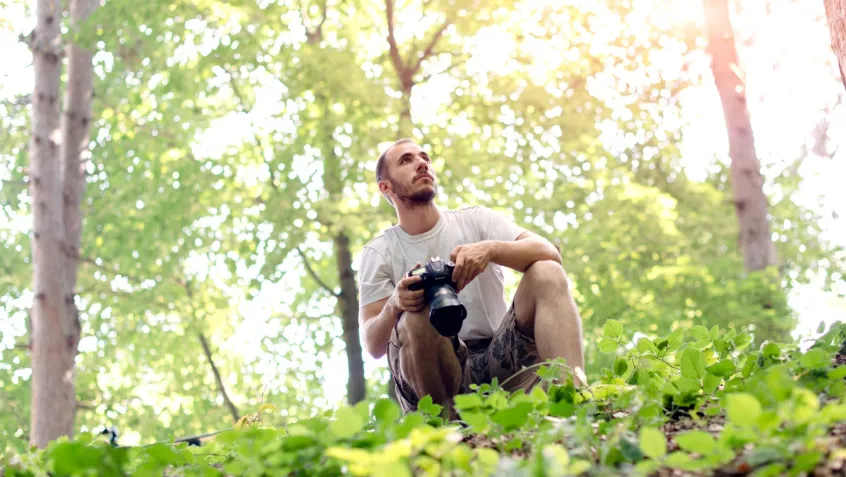
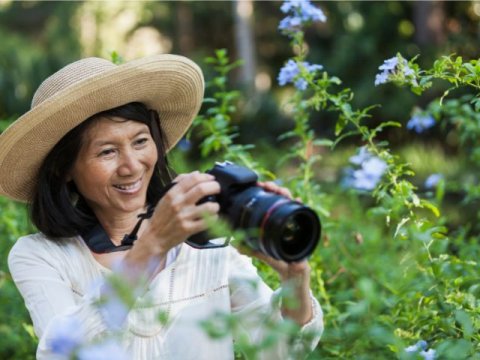
For sweeping vistas and a sense of deep time, few places rival Crater Lake National Park in Oregon. The deepest lake in the United States at 1,949 feet, it holds only rain and snowmelt, with no rivers flowing in or out, which gives the water its famous clarity and intense blue. The Cleetwood Cove Trail is the only legal route down to the shoreline, so plan that hike if you want a water-level shot. For a different mood, Mesa Verde National Park in Colorado is a certified dark sky park, ideal for night photography over its ancient cliff dwellings.
- Give back and learn. If you want to go further, the National Park Service Artist-in-Residence program invites photographers and other artists to live and create in parks across the country. Look for the program on an individual park's website under Get Involved. Your images can also support conservation by documenting wildlife and landscapes as they change over time.
The Navigator
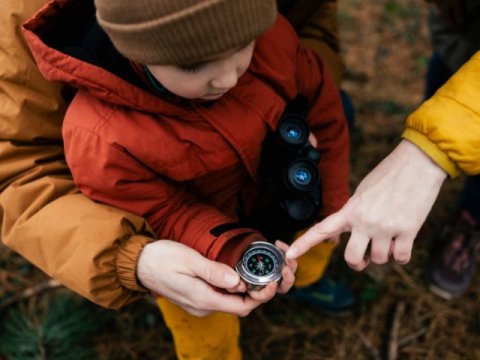
If you like a challenge with a map, public lands are perfect for geocaching, orienteering, and GPS scavenger hunts, and county and city parks are often the easiest places to start. Find sites near you on Recreation.gov, then load a free geocaching app to see what is hidden nearby.
- Give back and learn. Turn the hunt into science with a BioBlitz, using the free iNaturalist app to record the plants and animals you find. NEEF organizes one each year for National Public Lands Day. Geocachers also run Cache In Trash Out cleanups, pairing the game with a litter pickup.
The Gardener
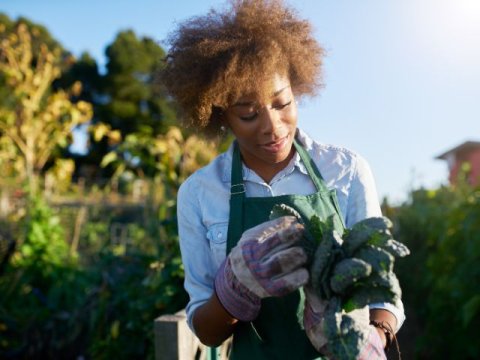
If your idea of the outdoors is hands in the soil, you do not need a park at all. A community garden turns a vacant lot or a corner of a city park into shared green space, and Americans have leaned on them since the 1890s to meet hard times and bring neighborhoods together. To find or start one, the American Community Gardening Association keeps a national directory, and the USDA People's Garden initiative connects gardens that grow local food and welcome the public. For the know-how, your local Cooperative Extension office, run through your state's land-grant university, offers low-cost soil testing and advice from trained Master Gardeners.
- Give back and learn. A garden is its own act of stewardship. Set aside a row of native, pollinator-friendly plants, share part of the harvest with a local food pantry, and you turn a hobby into food access and habitat at once. NEEF has a step-by-step guide to starting one.
Want to get the young ones growing too? The Junior Master Gardener program has hands-on resources to start them early.
Once you know your style, the rest is easy. Find a national park or forest through Recreation.gov, a state park through America's State Parks, or a local park right in your own community, then check the site's official page for hours and conditions before you go. And when you are ready to give back, volunteer.gov and National Public Lands Day, which falls on September 26 in 2026, make it simple to lend a hand on the lands you love.