Stories
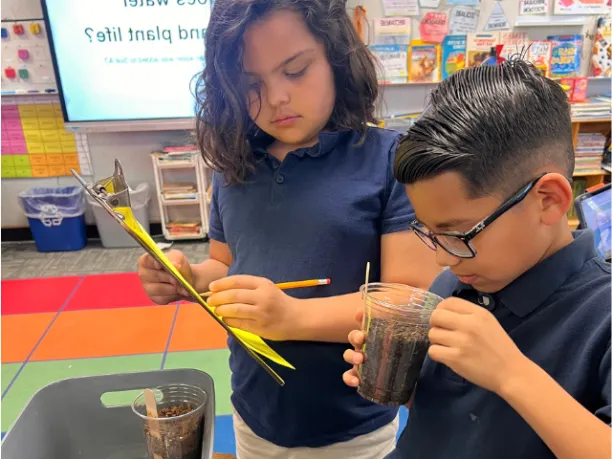
How I Get Students Interested in Science and the Environment
Award-winning educator Kim Alvin De Lara shares practical ways to get students interested in science and the...
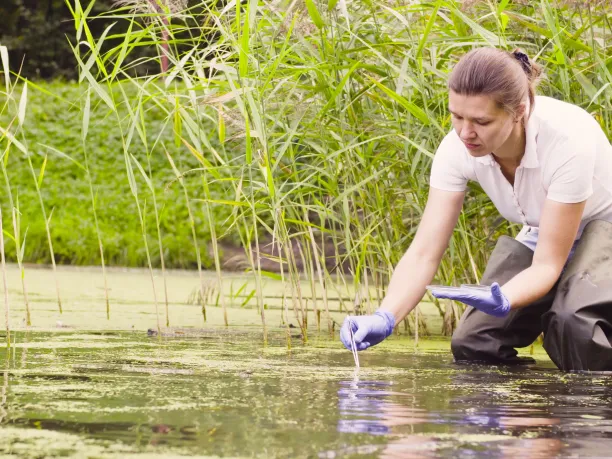
Preparing High School and College Students for a Career in Environmental Science
Learn how students can prepare for environmental science careers through STEM education, college planning...
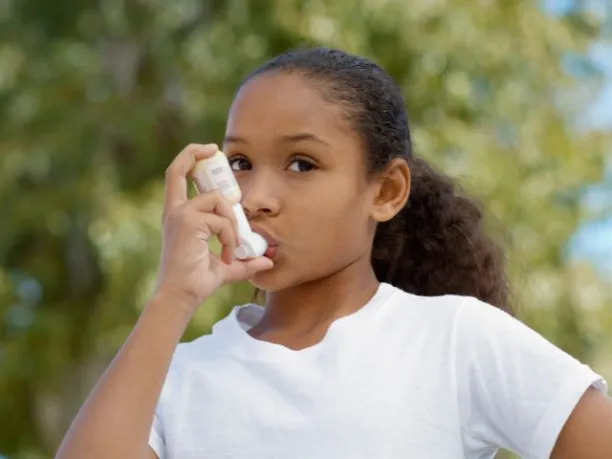
Asthma Peak Week Is Coming: How to Stay Healthy This Fall
The third week of September is Asthma Peak Week due to a seasonal uptick in asthma triggers. Learn how to keep...
Showing 71 - 80 of 110 results
Through our programs and initiatives, NEEF aims to increase your understanding of how the environment affects your daily life. We want to reduce the physical

Humans aren't the only ones impacted by health risks associated with harmful algal blooms (HABs). Animals, especially domestic dogs and cats, can experience
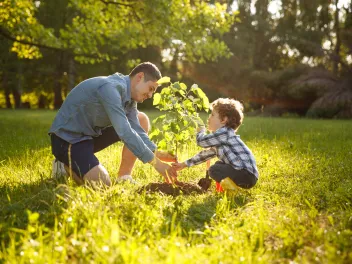
The health of the US population is at risk due to increasingly sedentary lifestyles and lack of physical activity. NEEF's Children and Nature Initiative: Rx for
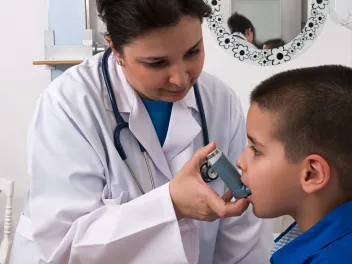
Asthma affects people of all different backgrounds, but anyone’s asthma can be exacerbated by environmental triggers like dust, mold, and pollen. NEEF partners
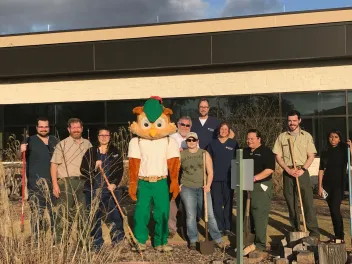
Nature-rich collaborations at Lone Star Family Health Center improve community well-being, fostering mental and physical health. Supported by NEEF and US Forest
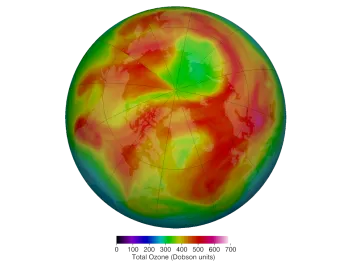
Learn more ozone: what it is, why it's important to life on Earth, and what is being done by NASA and other countries to slow the depletion of the planet's
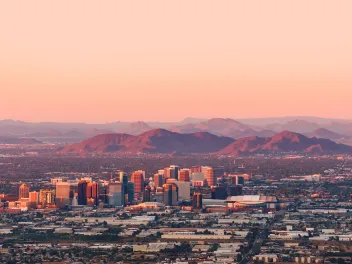
¿Vive usted en un área urbana? Si es así usted puede vivir en una “isla” - no una isla tropical, pero una isla de calor urbano. Una ciudad de un millón de

By 2030, the Atlanta BeltLine is expected to loop 22 miles of modern streetcar, 33 miles of multi-use trail, and 1,300 acres of parks. How? Public funding
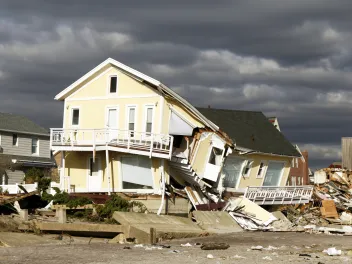
Los fenómenos meteorológicos extremos, como huracanes, inundaciones, sequías, temperaturas extremas e incendios forestales están ocurriendo con mayor frecuencia

While many people might feel as though they get a little blue when the days get shorter and the temperatures start to drop, these seasonal changes can actually